
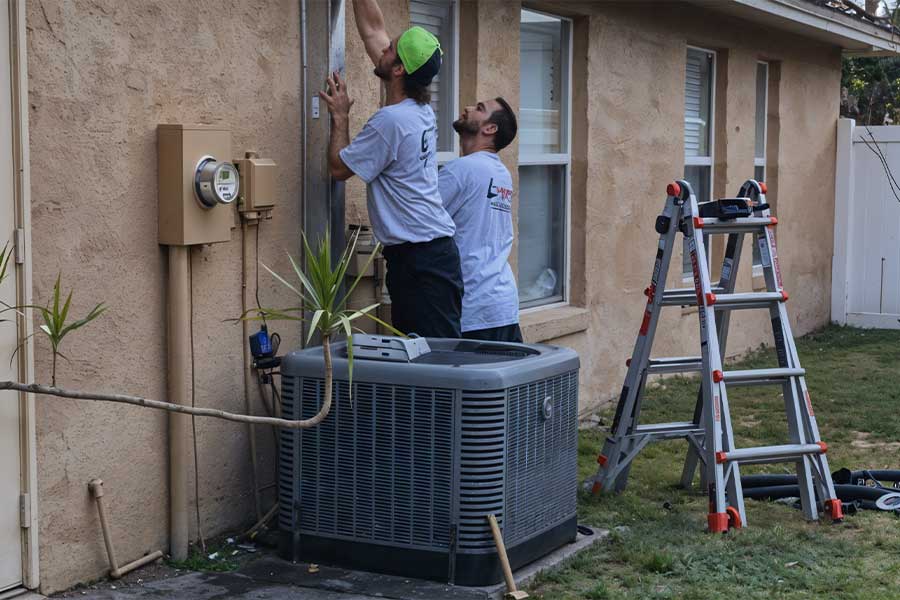
A qualified provider of AC installation in Largo, FL differs from a general contractor through HVAC-specific licensing, proper load calculations, certified refrigerant handling, thorough system commissioning, and manufacturer warranty compliance. General contractors may take on HVAC work as a secondary service, but they typically lack the specialized training and equipment to complete these steps correctly.
Replacing an air conditioner is one of the more significant home improvement decisions a homeowner makes. The equipment is a meaningful investment, and how well it performs over its lifespan depends heavily on who installs it and how that work is done. From older homes near Largo Central Park to newer developments off East Bay Drive, cooling systems in this area run hard for most of the year, which means the quality of the HVAC services in Largo you choose matters more than most homeowners realize.
When replacement time comes, some homeowners get quotes from general contractors alongside HVAC companies, particularly when other renovation work is happening at the same time. It seems practical on the surface. In practice, the differences between a qualified AC installation provider and a general contractor handling HVAC work as a secondary service show up in comfort, efficiency, and system longevity for years after the job is done.
Key Takeaways
- Florida licenses air-conditioning contractors separately from general contractors, so ask who holds the HVAC license and who will do the work.
- A Manual J load calculation sizes the system to the home and prevents the short cycling and humidity problems of oversized equipment.
- Anyone who services or disposes of equipment that could release refrigerant must hold EPA Section 608 certification.
- Most manufacturers require installation by a licensed HVAC contractor to keep the full factory warranty valid.
- AC installations in Largo require a permit and inspection, which protect homeowners during a sale or insurance claim.
Do AC Installers Need a Different License Than General Contractors?
Yes, Florida licenses HVAC contractors separately from general contractors. A licensed air-conditioning contractor has demonstrated competency in refrigerant handling, system design, load calculations, and equipment installation through state-level testing and licensing requirements.
Florida law recognizes Class A and Class B air-conditioning contractors. A Class B license covers the same type of work but is limited to systems of 25 tons of cooling and 500,000 Btu of heating, which still covers residential equipment.
A general contractor license in Florida authorizes a broad range of construction work but does not automatically qualify that contractor to perform mechanical work like HVAC installation. In some cases, general contractors subcontract this work to a licensed HVAC contractor. In others, the lines are less clear. Before any AC installation work begins, ask specifically who holds the HVAC license and who will physically do the installation. Any reputable AC installation provider should answer that question directly and provide license verification without hesitation.
Why Do Proper Load Calculations Matter for AC Installation in Largo?
A proper load calculation determines the right system size for your home, and it happens before any equipment is ordered. Often called a Manual J calculation, it accounts for square footage, ceiling height, insulation levels, window area, local climate data, and other factors specific to your house.
In our service calls throughout Largo and Pinellas County, we regularly encounter systems that were installed without a proper load calculation. The result is almost always one of two problems. An oversized system short cycles, meaning it cools the space quickly but shuts off before completing a full dehumidification cycle, leaving the home feeling clammy even when the temperature reads correctly. An undersized system runs continuously, trying to meet demand it was never equipped to handle.
General contractors who handle HVAC work occasionally default to replacing the existing system with the same size rather than assessing whether that size was ever right for the home. A qualified provider of AC installation and replacement treats sizing as a technical decision, not an assumption.
Equipment Selection and Brand Knowledge
A qualified AC installation provider recommends equipment based on daily, hands-on experience with how specific systems perform in Florida. They understand the differences between equipment tiers, efficiency ratings, warranty structures, and how specific models handle heat and humidity, and that knowledge directly shapes the recommendation they make for your home.
General contractors typically approach equipment selection with less depth. They may work with whatever distributor relationships they have rather than recommending the option that best fits your home’s needs and your long-term goals for energy efficiency and operating costs.
In Largo, FL, where systems run for most of the year, the efficiency rating of the equipment you install has a real and ongoing effect on your monthly energy costs. A contractor who understands SEER2 ratings, variable-speed technology, and how humidity management fits into equipment selection is better positioned to give you a recommendation that holds up over time.
Why Does Refrigerant Handling Require Certification?
Refrigerant handling requires certification because federal rules regulate how refrigerants are handled and released. Under the EPA’s Section 608 requirements, technicians who maintain, service, repair, or dispose of equipment that could release refrigerants into the atmosphere must be certified. It is a federal requirement, not an optional credential.
Working in homes across Largo, we see the consequences of improper refrigerant handling in systems installed or serviced by contractors who treated refrigerant as a detail rather than a regulated substance. Incorrect refrigerant charges, whether too high or too low, reduce system performance and put stress on the compressor. A system that leaves installation with an improper charge is already starting behind, and correcting it requires a certified technician to recover or add refrigerant until the charge matches the manufacturer’s specifications.
A qualified HVAC technician verifies the refrigerant charge as part of the installation commissioning process. On a properly completed installation, this step is never skipped.
What Happens During AC System Commissioning?
Commissioning is the series of checks that confirms a new AC system is operating correctly before the technician leaves. Installation does not end when the equipment is physically connected.
A thorough commissioning process includes these checks:
- Verifying the refrigerant charge
- Checking static pressure in the duct system
- Confirming airflow across the indoor coil
- Testing the thermostat and controls
- Running the system through a full cycle to confirm it reaches its setpoint and operates within expected parameters
Based on what we see in Largo properties, systems that skip or rush commissioning are far more likely to develop early performance issues or need AC repair in Largo within the first year of operation.
General contractors completing an HVAC installation as part of a broader renovation may not have the equipment or training to perform thorough commissioning. The job may look finished from the outside while the system itself has not been properly validated.
Can a General Contractor Void My AC Warranty?
Yes, an installation by an unlicensed or unqualified party can void the manufacturer’s warranty. Most major HVAC manufacturers require that equipment be installed by a licensed HVAC contractor to maintain the full factory warranty, leaving you without coverage on a system that can cost thousands of dollars to repair if a major component fails.
This detail rarely comes up until something goes wrong, and by that point, the installation decision has already been made. Ask any contractor you are considering whether their installation will satisfy the manufacturer’s warranty requirements, and get that confirmation in writing.
Ongoing Service Relationship
A qualified HVAC installation provider remains a resource long after the installation is complete. They know the system they installed, the conditions they found at your home, and what to look for during future AC maintenance visits. That continuity has practical value.
A general contractor who handles HVAC work as a secondary service is less likely to be the right call when the system needs attention down the road. You may end up starting fresh with a different company that has no history with your equipment or your home. Building a relationship with a qualified HVAC provider from installation forward simplifies every service interaction that follows.
Do AC Installations in Largo Require a Permit?
Yes, AC installations in Florida require permits in most jurisdictions, and Largo is no exception. The permit process ensures the work is inspected and meets current building and mechanical codes. A licensed HVAC contractor understands the permitting requirements and handles that process as a standard part of the job.
Unpermitted HVAC work creates problems that can surface during a home sale, an insurance claim, or a future renovation. It also means the installation was never inspected, which removes an important layer of quality assurance. Confirming that your installation will be properly permitted is a basic but important question to ask before signing anything.
Frequently Asked Questions About AC Installation in Largo
What Should an AC Installation Quote Include?
A complete AC installation quote should list the equipment model numbers and efficiency ratings, the load calculation, permit fees, removal of the old system, any duct or line set work, and warranty terms. An itemized quote makes it easier to compare contractors on the same scope of work.
Who Registers the Warranty on a New Air Conditioner?
Many manufacturers require the new equipment to be registered within a set period after installation to receive the full parts warranty. Some installers handle registration for the homeowner, so confirm in writing who is responsible and keep a copy of the confirmation.
Can I Handle My Own AC Refrigerant to Save Money?
No. Federal rules require EPA Section 608 certification for anyone who services equipment that could release refrigerant, and refrigerant work requires specialized recovery and charging equipment. Only a certified technician should handle refrigerant charging or repairs.
How Do I Verify an HVAC Contractor’s License in Florida?
Ask the contractor for their license number and confirm it through the Florida Department of Business and Professional Regulation’s online license search. A reputable AC installation provider will offer this information without hesitation.
What Refrigerant Do New AC Systems Use?
Many new residential systems use A2L refrigerants such as R-454B or R-32. EPA rules have generally required new residential AC systems installed since January 1, 2025, to use refrigerants with a global warming potential below 700 unless all components were made or imported before that date. A2L refrigerants are classified as mildly flammable, so installers need updated training and procedures to handle them safely.
Making the Right Choice for AC Installation in Largo, FL
The right provider for AC installation in Largo is a licensed HVAC contractor who sizes the system correctly, handles refrigerant legally, commissions the equipment, and protects your warranty. Those differences go well beyond credentials on paper, and they shape the comfort and reliability of your home for years.
Largo homeowners facing the demands of a Florida cooling season deserve an installation done right from the start. Egberts Electrical Plumbing Air Conditioning provides AC installation and comprehensive HVAC services throughout the Largo area. Contact our team today to discuss your options and get an honest assessment of what your home needs.