
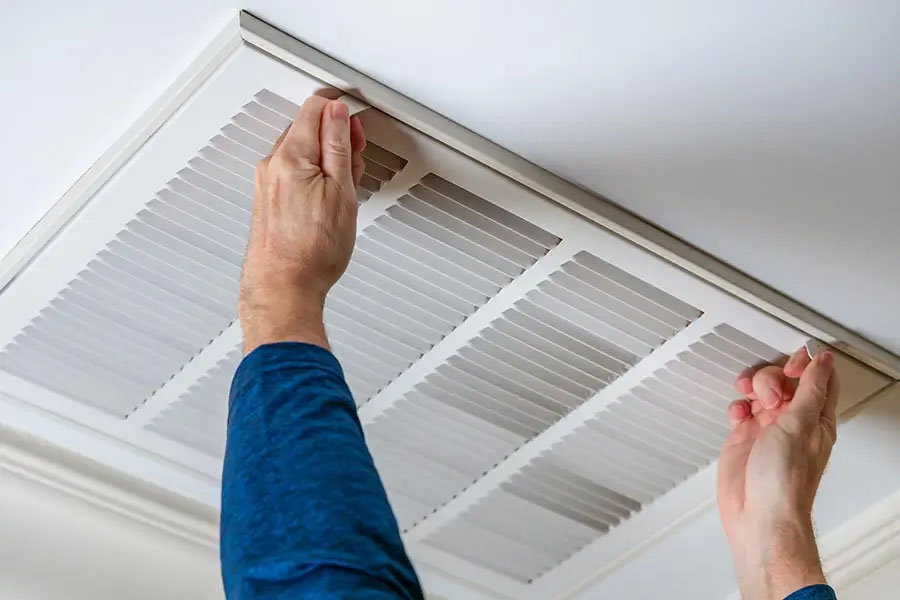
Most conversations about indoor air quality focus on filters, humidity levels, or the air conditioning equipment itself. Ductwork rarely comes up unless there is an obvious problem like a visible tear or a disconnected section. But in homes where the duct system has been in place for fifteen, twenty, or thirty years or more, the ducts themselves can become one of the more significant factors affecting the air your family breathes every day.
In Lakeland, FL, where AC systems run for the majority of the year, and homes span a wide range of ages and construction types, aging ductwork is more common than most homeowners realize. Understanding what happens to duct systems over time and how those changes affect what circulates through your home helps you make more informed decisions about your HVAC system as a whole.
What Ductwork Is Actually Doing in Your Home
Your duct system is the delivery network for your air conditioner and heating system. Conditioned air leaves the air handler, travels through a series of supply ducts, and enters your living spaces through registers and diffusers. Return ducts pull air back from the home to be reconditioned and recirculated.
When that system is working correctly, it moves a consistent volume of conditioned air through the home efficiently, with minimal leakage and without introducing contaminants into the airstream. When it is not working correctly, a range of problems can develop, and many of them are connected directly to the age and condition of the ductwork.
How Duct Systems Deteriorate Over Time
Duct systems are not permanent. The materials used in residential ductwork, whether sheet metal, flex duct, or ductboard, all have a finite service life, and they are subject to ongoing stress from temperature cycling, pressure changes, and the physical environment they sit in.
Flex Duct Degradation
Flexible ductwork is common in Florida residential construction and has been used widely since the 1970s and 1980s. It consists of a wire coil wrapped in insulation and an outer jacket. Over time, the inner liner can develop small tears or perforations, the insulation compresses and loses effectiveness, and sections can sag or kink in ways that restrict airflow. In Lakeland’s heat, the materials in older flex ducts age faster than they would in a milder climate.
Seal and Connection Failures
Where duct sections connect to each other, to the air handler, and to registers, those connections are held with tape, mastic, or mechanical fasteners. Over years of thermal expansion and contraction, these seals can loosen or fail entirely. When they do, conditioned air escapes into unconditioned spaces like attics and crawl spaces, and air from those spaces can be pulled back into the duct system.
Sheet Metal Deterioration
Older sheet metal ductwork can develop rust, particularly in sections exposed to moisture. Lakeland’s humidity creates conditions where condensation on duct surfaces is a real factor, and metal that has been cycling through wet and dry conditions for decades can corrode to the point where structural integrity is compromised.
What Gets Into the Air When Ducts Degrade
The connection between aging ductwork and indoor air quality becomes clear when you consider what is in the spaces your ducts run through. Attics in Lakeland, FL homes, accumulate decades of dust, insulation fibers, pest droppings, and biological growth. Crawl spaces carry similar contamination, plus ground moisture and mold risk.
When duct seals fail, air from those spaces does not stay put. It gets pulled into the return side of the duct system and distributed throughout the home. Based on what we see in Lakeland properties, this is one of the more significant but least visible contributors to poor indoor air quality, particularly in older homes in established neighborhoods like South Lake Morton, Dixieland, or properties near the Bonnet Springs area.
In our service calls throughout Lakeland, we encounter homes where occupants have noticed increased allergy symptoms, persistent dust on surfaces, or unexplained odors that correlate directly with duct leakage issues once the system is properly inspected. The connection is not always made immediately, but it tends to become clear once the duct system is assessed.
Mold Growth in Aging Ductwork
Humidity is a year-round concern in Central Florida, and ductwork provides conditions where mold can develop if moisture is present. Condensation on the outside of cool supply ducts in a humid attic, small leaks that allow moist outside air in, and standing water in drain pans that affects the air handler cabinet can all introduce moisture into the duct system.
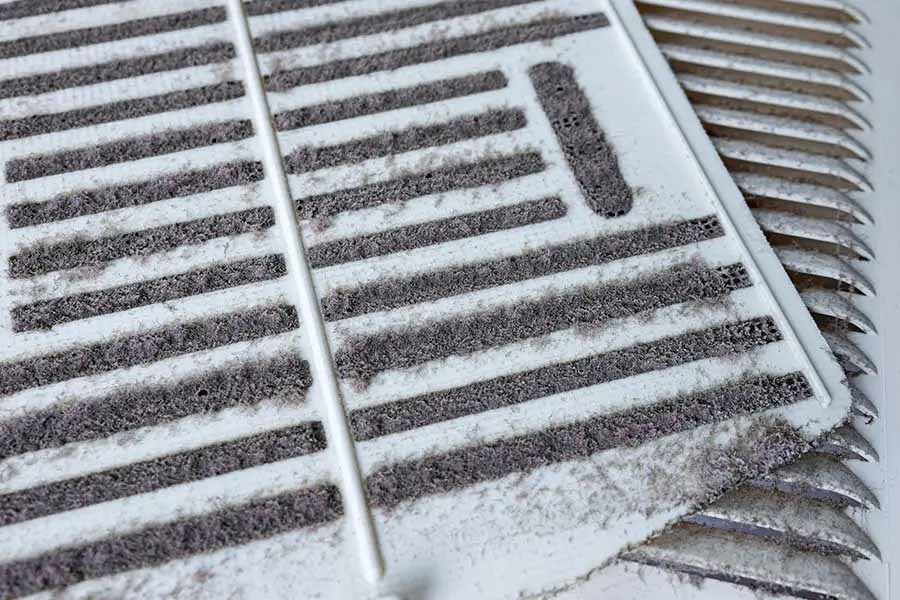
Once mold establishes itself in ductwork, every time the system runs, it distributes spores throughout the home. This is a serious indoor air quality concern, particularly for households with children, elderly occupants, or anyone with respiratory sensitivities. Indoor air quality problems tied to mold in ductwork do not resolve with filter changes alone. The source has to be addressed directly.
How Duct Leakage Affects the Whole System
Beyond air quality, duct leakage affects how your entire HVAC system performs. When conditioned air escapes into the attic before it reaches your living spaces, the system has to work harder and run longer to compensate. Rooms at the end of long duct runs may feel consistently warmer than rooms near the air handler, a pattern that often gets attributed to the AC equipment rather than the delivery system.
Working in homes across Lakeland, we find that duct leakage is frequently a contributing factor in homes where the AC system seems undersized for the space. In some cases, the equipment is actually adequate but is losing so much conditioned air to leakage that it cannot maintain comfortable temperatures during peak afternoon heat. Addressing the duct system can change the performance picture significantly without replacing any equipment.
A thorough duct cleaning visit is often where these issues first get identified. A technician inspecting the duct system for cleaning purposes will also be in a position to spot leakage points, damaged sections, and areas where the ductwork needs more than cleaning.
When Repair Is Not Enough
Some aging duct systems can be brought back to acceptable condition with targeted repairs, sealing, and cleaning. Others have deteriorated to the point where repairs are not a practical solution. Flex duct that has been in place for thirty or more years, sheet metal with significant corrosion, or systems with widespread seal failures across dozens of connection points may cost nearly as much to repair comprehensively as they would to replace.
A duct change-out replaces the existing duct system with new materials, new connections, and properly sized runs designed for the current equipment and the home’s layout. When a duct system has reached the end of its useful life, replacement addresses the root cause rather than patching an aging system that will continue to develop new problems.
The decision between repair and replacement depends on the extent of the deterioration, the age of the existing system, and what the inspection reveals about the condition of the ductwork as a whole. A thorough assessment gives you the information needed to make that call with confidence.
Connecting Duct Condition to Overall System Care
Duct condition is not separate from your HVAC system’s overall health. It is part of it. A well-maintained air conditioner connected to a deteriorating duct system will underperform and wear faster than the same equipment connected to a clean, properly sealed duct system.
This is why duct evaluation fits naturally alongside AC maintenance rather than being treated as an entirely separate concern. A technician who can assess both the equipment and the delivery system at the same time gives you a more complete picture of what is actually limiting your home’s comfort and air quality.
For Lakeland homeowners who have not had their duct system inspected in several years or who have noticed comfort inconsistencies, unusual dust levels, or unexplained odors, a professional assessment is a practical starting point.
Taking Stock of What Is Behind Your Walls
Aging ductwork is easy to overlook precisely because it is out of sight. But the air moving through those ducts is not out of reach. It circulates through every room in your home, and the condition of the system delivering it has a direct effect on what your family is breathing and how comfortable your home stays through Lakeland’s long cooling season.
Egberts Electric and Air Conditioning serves Lakeland and the surrounding Polk County area and can evaluate your duct system as part of a broader HVAC assessment. Contact our team today to schedule an inspection and get a clear picture of your system’s condition.