
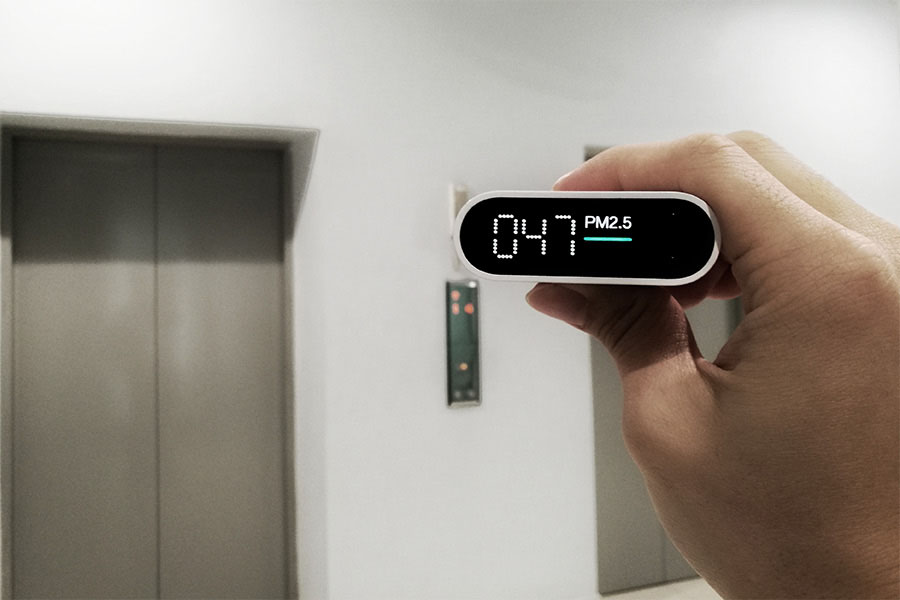
Indoor air quality is a subject that tends to get more attention after something prompts it. A family member with persistent allergies, a musty odor that lingers no matter what, and an increase in dust accumulation that seems out of proportion with normal household activity. These are the kinds of situations that lead homeowners to start looking for professional help, and in Lake Wales, FL, where the climate keeps homes sealed and air conditioning systems running for most of the year, the air circulating inside a home can carry more than most people realize.
Finding the right indoor air quality specialist is not always straightforward. The field involves multiple technologies, different service approaches, and a range of providers with varying levels of expertise. Asking the right questions before hiring someone helps you distinguish between a genuinely qualified professional and one who is offering solutions without a thorough understanding of the problem.
1. What Does Your Diagnostic Process Look Like Before You Recommend Solutions?
This is the most important question on the list, and the answer tells you a great deal about how a provider operates. Indoor air quality problems have multiple possible sources. Elevated humidity, mold growth, duct contamination, inadequate ventilation, off-gassing from building materials, and particulate matter from various household sources can all contribute to poor indoor air quality, and they require different solutions.
A provider who recommends a specific product or service before conducting any assessment of your home is working backward. The solution should follow the diagnosis, not precede it.
In our service calls throughout Lake Wales and the surrounding Polk County area, the homes where indoor air quality improvements make the most meaningful difference are the ones where the assessment identified the actual source of the problem rather than applying a generic solution. Ask specifically how the provider intends to evaluate your home before recommending anything.
2. Are You Licensed and What Certifications Are Relevant to This Work?
Indoor air quality work intersects with HVAC systems, building science, and, in some cases, mold remediation, each of which has its own licensing and certification landscape. A provider working on solutions integrated with your air conditioning system should hold a valid Florida HVAC contractor license. Work involving mold assessment or remediation falls under separate state licensing requirements.
Beyond licensing, industry certifications from organizations like NADCA for duct cleaning or ACCA for HVAC system work indicate that a provider has invested in training and testing beyond the minimum required for licensure. Ask what certifications are relevant to the specific work being proposed and how recently those credentials were obtained or renewed.
This is not a formality. Unlicensed work on HVAC systems and duct components can create liability issues and may void equipment warranties.
3. What Indoor Air Quality Issues Are Most Common in Lake Wales, FL Homes?
A specialist who has genuine experience working in this area should be able to speak specifically about the conditions they encounter in Lake Wales, FL, and the surrounding region. This is not a test question designed to catch someone out. It is a practical way to assess whether their experience is locally grounded or whether they are applying a generic approach regardless of regional context.
Lake Wales sits in central Polk County, surrounded by citrus groves and natural areas near the Lake Wales Ridge. The regional environment contributes specific factors to indoor air quality considerations. High ambient humidity throughout the warm months creates conditions favorable to mold and mildew growth inside homes and HVAC systems. Pollen from citrus bloom and surrounding vegetation is a seasonal factor. Homes near agricultural areas may have different particulate considerations than urban properties.
Based on what we see in Lake Wales, FL, properties, humidity management is one of the more consistent underlying factors in indoor air quality complaints. A provider who addresses this specifically when discussing common local issues is demonstrating genuine regional knowledge rather than a templated answer.
4. How Do You Evaluate the Duct System as Part of an Air Quality Assessment?
The duct system is the delivery network for everything that circulates through a home’s air supply. Ducts that carry accumulated dust, biological growth, or debris from pest activity distribute those contaminants to every room in the home every time the system runs. Any credible indoor air quality assessment should include an evaluation of the duct system rather than treating it as a separate concern.
Ask specifically how the provider assesses duct condition, whether they use camera inspection equipment to evaluate interior duct surfaces, and how duct findings factor into their overall recommendations. A provider who offers indoor air quality solutions without addressing the duct system is missing one of the more significant potential sources of contamination in the home.
Working in homes across the Lake Wales area, duct condition is a consistent factor in indoor air quality assessments. An older flex duct that has developed inner liner degradation or widespread seal failures introduces both contaminants and unconditioned air into the supply stream, which affects both air quality and system performance.
5. What Solutions Do You Offer and How Do They Address the Specific Problems Found?
Indoor air quality products range from basic filtration upgrades to whole-home air purification systems, UV germicidal lights, dehumidifiers, and ventilation solutions. Each of these addresses a different aspect of air quality, and not every solution is appropriate for every home or every problem.
A provider who recommends the same combination of products regardless of what the assessment found is not matching solutions to problems. Ask them to explain specifically which problem each recommended solution addresses, what the evidence base is for its effectiveness, and why it is more appropriate than alternatives.
UV germicidal lights, for example, are effective against biological growth on coil surfaces and in the air stream. They do not address particulate contamination, humidity imbalances, or duct leakage. A home with a mold problem driven by excess humidity needs humidity control alongside any germicidal solution, not instead of it. A provider who understands this will explain it without prompting.
6. How Does HVAC System Condition Affect Indoor Air Quality in My Home?
This question tests whether the provider understands the relationship between the HVAC system and air quality rather than treating them as separate domains. The two are closely connected. A dirty evaporator coil introduces biological growth into the air stream. An oversized system that runs short cycles does not run long enough to adequately dehumidify the home. A system with duct leakage pulls unconditioned and potentially contaminated air from the attic or crawl space into the living areas.
A genuinely qualified specialist will be able to explain how system condition, sizing, and maintenance history connect to the air quality issues being evaluated. They should also be able to identify when an AC maintenance visit or a duct system evaluation should be part of the broader assessment rather than a separate, unrelated service.
In Lake Wales homes with older HVAC systems, the equipment itself is sometimes contributing to the air quality problem through a dirty coil, a compromised condensate system, or duct deterioration. Addressing air quality without addressing the system condition that is driving it produces limited results.
7. What Does Ongoing Maintenance Look Like After the Initial Work Is Done?
Indoor air quality is not a one-time fix. Filters need to be changed on schedule. UV lamp bulbs have a service life and need replacement to remain effective. Dehumidifiers need periodic maintenance. Duct systems that have been cleaned can reaccumulate contamination over time. A provider who installs solutions without explaining the ongoing maintenance requirements is setting the homeowner up for solutions that gradually lose effectiveness without their awareness.
Ask specifically what maintenance each recommended solution requires, at what intervals, and what that will cost on an ongoing basis. A provider who is transparent about this is giving you a realistic picture of the total investment involved. One who focuses only on the initial installation without addressing ongoing care may be leaving out information that would affect your decision.
This is also where the relationship between air quality maintenance and regular HVAC service becomes practical. A duct cleaning visit that is part of a recurring maintenance schedule keeps the delivery system in better condition than one that is scheduled reactively after problems appear. Building air quality maintenance into a regular service relationship with a qualified HVAC provider is generally more effective and more cost-efficient than treating each element separately.
Finding the Right Specialist for Your Home in Lake Wales, FL
The questions above are not designed to make the hiring process more complicated. They are designed to make it more productive. A provider who answers them clearly, specifically, and without defensiveness is demonstrating the kind of expertise and transparency that makes a service relationship worthwhile.
Indoor air quality work done well makes a real difference in how a home feels and how healthy it is to live in, particularly in a climate like Lake Wales, FL, where homes are sealed against heat and humidity for most of the year, and the air conditioning system is the primary means of managing the indoor environment.
Egberts Electric and Air Conditioning serves Lake Wales and the surrounding Polk County area and approaches indoor air quality as part of a comprehensive HVAC assessment rather than as a standalone product sale. Contact our team today to schedule an evaluation and get an honest picture of what your home’s air quality actually needs.