
Did you know that furnace installation costs can vary by as much as 50% from one home to another in Bartow, FL? This disparity comes down to several key factors, including the size of your home and the existing ductwork. Understanding these elements can help you make informed decisions when considering a new furnace. What else influences these costs, and how can you guarantee you’re getting the best value for your investment?
The Size and Type of Furnace
When considering furnace installation costs in Bartow, FL, the size and type of furnace you choose play a significant role. A furnace that’s too small won’t heat your home efficiently, while one that’s too large can waste energy and drive up costs. Understanding your options is essential.
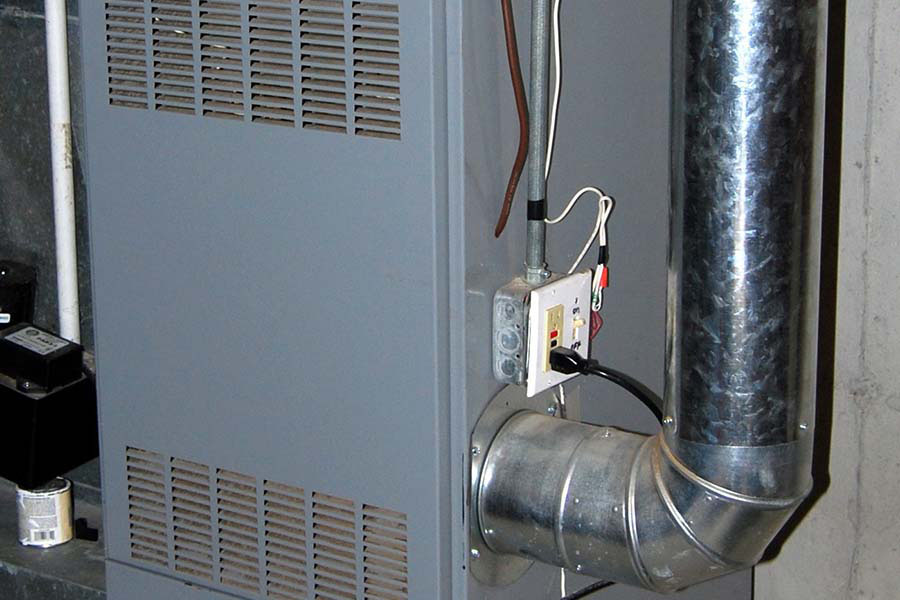
You’ll find various types, like gas, electric, and oil furnaces, each with its own installation and operational expenses. Gas furnaces generally provide higher efficiency but may require additional venting, impacting installation costs. Electric models, while easier to install, can lead to higher energy bills in the long run.
When we assess a home, we look at square footage, insulation quality, climate needs, and your energy-use preferences to determine the correct size and system type. Our goal is to help you make a choice that supports long-term comfort, manageable utility bills, and reliable performance—not just an installation that works today, but one that continues working efficiently for years.
Home Size and Layout Considerations
Choosing the right furnace for your home isn’t just about the unit itself; it also depends greatly on your home’s size and layout. A larger home may require a more powerful furnace, while a compact space could get by with a smaller model.
Here are some factors to take into account:
- Square Footage: The total area directly influences the furnace size needed for efficient heating.
- Ceiling Height: Higher ceilings mean more volume to heat, affecting your furnace choice.
- Room Configuration: Open floor plans can distribute heat more evenly, while closed layouts may need additional heating solutions.
- Insulation Quality: Well-insulated homes retain heat better, potentially allowing for a smaller furnace. Additionally, regular maintenance of your heating system can help ensure it operates efficiently, regardless of your home’s size.
Existing Infrastructure and Ductwork
Understanding your existing infrastructure and ductwork is essential for choosing the right furnace. Your home’s current setup can greatly impact installation costs. If your ductwork is outdated or improperly sized, it may require upgrades or repairs, adding to your overall expenses.
Inspect your ducts for leaks, blockages, or insufficient insulation. These issues can hinder airflow and reduce efficiency, leading to higher energy bills. If you’ve got a forced-air system, the condition and layout of your ducts dictate how well your new furnace will perform. Additionally, consider the material of your ductwork. Metal ducts are more durable but can be costly to install, while flexible ducts are easier to work with but may not last as long.
Prioritizing a thorough assessment of your existing infrastructure guarantees you make informed decisions, ultimately saving you time and money in the long run. A thorough inspection of your ducts can reveal duct change-out needs, ensuring that your system operates efficiently and effectively.
Energy Efficiency Ratings and Options
The efficiency of your new furnace not only affects its performance but also impacts your energy bills and environmental footprint.
When choosing a furnace, you’ll come across various energy efficiency ratings that can guide your decision. Higher efficiency means more savings and less waste.
Here are some key benefits to evaluate:
- Lower Energy Bills: An efficient furnace consumes less energy, saving you money each month.
- Environmental Impact: Reducing energy use lowers your carbon footprint, helping the planet.
- Increased Comfort: Efficient systems maintain consistent temperatures, enhancing your home’s comfort.
- Longer Lifespan: High-efficiency furnaces often last longer, providing you with reliable heating for years. Additionally, regular maintenance services can extend your furnace’s lifespan, ensuring it operates efficiently over time.
Local Labor and Installation Costs
When considering furnace installation costs in Bartow, FL, you’ll find that local labor rates play a significant role in your overall expenses. The cost of hiring skilled technicians can vary based on demand, expertise, and the complexity of your installation.
In Bartow, FL, you might notice that some contractors charge more due to their experience and quality of service.
Choosing a reputable company like Egberts Electric and Air Conditioning not only guarantees you get certified technicians but also assures transparent pricing with no hidden costs. Investing in local professionals can lead to better workmanship and long-term energy efficiency, ultimately saving you money on future repairs and utility bills.
When you factor in local labor and installation costs, remember that opting for quality over the lowest bid can pay off in the long run.
Conclusion
So, you might think all furnace installations are created equal, but that couldn’t be further from the truth. Factors like your home’s size, layout, and even the condition of your ductwork can dramatically shift costs. Plus, investing in a high-efficiency model could save you money in the long run. By understanding these variables, you can make an informed decision that suits your home and budget. Don’t underestimate the impact of these elements on your furnace installation!