

Heat pumps are reliable systems, but like any mechanical equipment, they eventually show signs of wear, inefficiency, or internal strain. For homeowners in Balm, FL—where steady comfort matters during seasonal temperature shifts—recognizing these early signals can save you from unexpected breakdowns or expensive emergency calls.
Many issues start small. Uneven temperatures, strange noises, or higher-than-usual bills may seem harmless, but they’re often early indicators that your heat pump needs attention. At Egberts, we encourage homeowners to understand these signs so you can respond proactively rather than react to a major repair later on.
Below are the most important clues to watch for when determining whether your system needs heat pump repair or a professional inspection.
Signs of Decreased Heating Efficiency
One of the earliest and most noticeable symptoms is reduced heating output. If your home feels cooler despite normal thermostat settings, your heat pump may be losing efficiency.
Here’s what decreased performance can look like:
Longer heating cycles – The system runs continuously, but never reaches the desired temperature.
Cool spots or uneven temperatures – Some rooms feel warm while others remain chilly.
Frequent thermostat adjustments – You find yourself raising the temperature just to stay comfortable.
Common causes include:
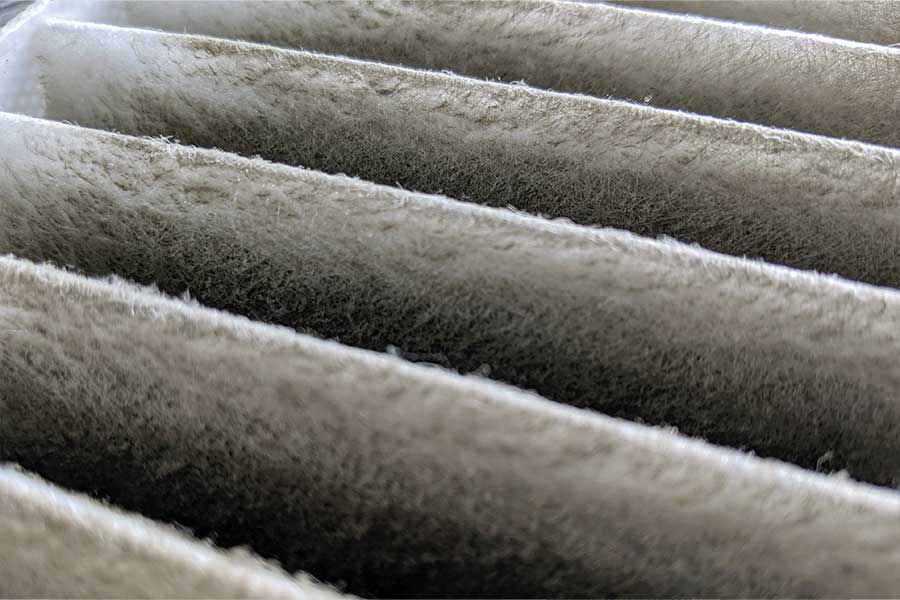
- Dirty air filters are restricting airflow
- Refrigerant imbalance
- Duct leaks allow heated air to escape
- Worn or aging components
- A thermostat that needs recalibration
These efficiency problems force the system to work harder, driving up energy use. Proactive heat pump maintenance helps restore performance and prevent long-term stress on the system.
Unusual Noises Coming From the Unit
Heat pumps are designed to operate quietly. When new or unfamiliar sounds appear, they’re often early clues of mechanical trouble.
Here’s what certain noises may indicate:
Banging – A loose component or unbalanced fan.
Hissing – Possible refrigerant leak.
Squealing – Bearings or motor components beginning to fail.
Clicking – Electrical issues or control board problems.
Buzzing – A failing capacitor or electrical imbalance.
These issues rarely resolve on their own. Addressing them early prevents worn parts from damaging other components. Waiting too long can transform a small repair into a major service call.
Increased Energy Bills
Heat pumps are known for efficiency, so noticing a sudden spike in your energy bill is a helpful diagnostic clue.
If your bill increases without you changing your heating habits, several issues may be at play:
- Dirt buildup on coils reduces heat transfer
- Fan or blower issues restricting airflow
- Refrigerant problems reduce system output
- A failing compressor
- Duct leaks are wasting conditioned air
When inefficiency becomes recurring—especially in older systems—it may be time to consider whether heat pump replacement would be more cost-effective in the long run. Egberts can help you evaluate your system’s age, repair history, and overall performance to determine the best path forward for your home.
Frequent Cycling On and Off
Short cycling happens when the system turns on and off rapidly instead of completing normal heating cycles. This behavior is more than a nuisance—it indicates internal stress.
Frequent cycling can develop from:
- Thermostat placement or calibration issues
- Dirty or clogged filters
- Overheating caused by restricted airflow
- Electrical or wiring problems
- Low refrigerant is preventing proper operation
Short cycling increases wear on motors and compressors, leading to premature breakdowns. The sooner it’s diagnosed, the easier it is to restore stable operation.
Visible Damage or Wear on the Heat Pump
Heat pumps will often continue running even when the exterior shows clear signs of deterioration. That’s why visual inspection is important for homeowners.
Look for:
- Rust or corrosion – Suggests moisture issues or aging components.
- Bent fins or dented housing – Can restrict airflow and cause overheating.
- Cracked or brittle insulation – Reduces efficiency and causes temperature fluctuations.
- Refrigerant leaks or oily residue – A clear sign the system needs immediate attention.
- Frayed or exposed wires – Electrical safety concern requiring prompt repair.
Not all visible damage means the system is failing, but it often points to conditions that—if ignored—can accelerate the need for full heat pump installation down the road.
Strange Odors During Operation
Unusual smells can reveal hidden issues:
- Burning odor → Electrical problems or overheated components
- Musty smell → Moisture buildup or microbial growth
- Chemical scent → Refrigerant issue that needs immediate attention
- Rotten or dirty smell → Clogged drains or biological debris near the air handler
These odors affect indoor air quality and signal that internal components need inspection.
Ice or Frost Accumulation on the Outdoor Unit
While mild frost is normal during heating cycles, excessive ice buildup suggests a deeper problem. Possible causes include:
- Faulty defrost cycle
- Restricted airflow
- Dirty coils
- Low refrigerant
- Failing sensors or controls
Ice reduces efficiency, increases strain, and can eventually stop the system from operating. Addressing this issue early prevents damage to the compressor or reversing valve.
Conclusion
For homeowners in Balm, FL, understanding these warning signs can prevent expensive repairs and help your heat pump last longer. Reduced heating performance, unusual sounds, short cycling, visible damage, rising energy bills, and ice buildup all signal that it’s time for a closer look.
Staying proactive with maintenance—especially with support from Egberts—helps your system operate efficiently throughout the year and reduces the risk of sudden failures. A little attention now can save a lot of stress, energy, and money later.