


Sauna Wiring & Electrical Installation in Lakeland, FL
- Expert Technicians
- Flexible Financing
- 24/7 Service
Contact Us
Professional Sauna Wiring & Electrical Installation in Lakeland, FL
Adding a sauna to your home is a great investment in relaxation and wellness, but it requires proper electrical installation to operate safely. Saunas generate high heat and draw significant power, which means they need dedicated circuits, proper wiring, and installations that meet strict electrical codes. Cutting corners on the electrical work can create fire hazards and damage your equipment.
At Egberts Electric and Air Conditioning, we handle sauna wiring and electrical installations for homeowners throughout Lakeland. Our certified electricians make sure your sauna is connected safely, wired to handle the load, and installed according to manufacturer specifications and local codes. Whether you’re installing a traditional sauna, an infrared sauna, or a steam room, we get the electrical work done right.
Our Services
- Ceiling Fan Installation
- Electric Panel Repair & Replacement
- EV Charger Installation
- GFCI Outlet Repair & Installation
- Hot Tub Wiring & Electrical Installation
- Indoor Lighting Installation
- Outdoor Lighting Installation
- Outlet Repair & Installation
- Sauna Wiring & Electrical Installation
- Whole House Surge Protector Installation
What Your Neighbors Are Saying About Us
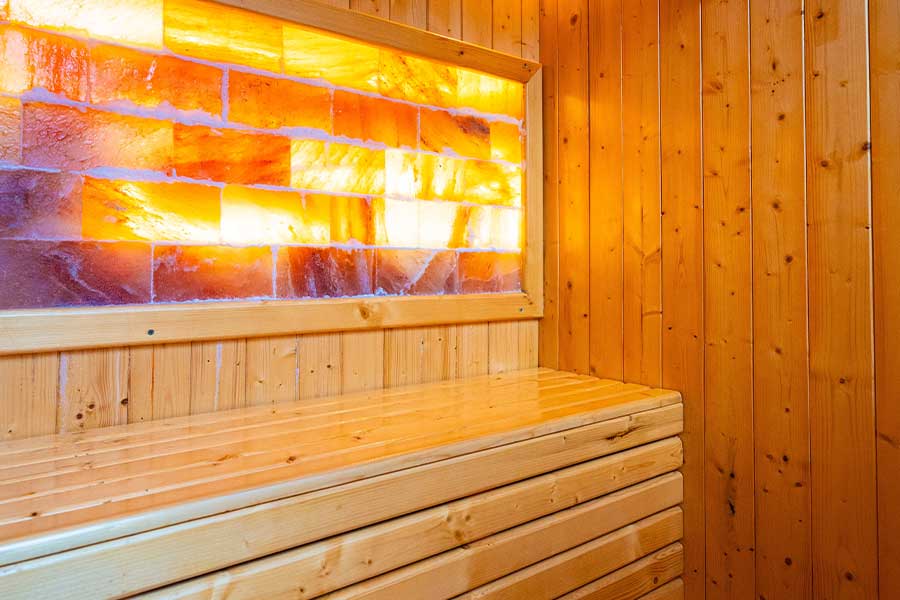
Electrical Requirements for Saunas
Most residential saunas require a 240-volt dedicated circuit, though smaller infrared units may run on 120 volts. The amperage depends on the size and type of sauna heater, typically ranging from 30 to 60 amps. Electric sauna heaters draw substantial power, especially during the heating phase, which is why they need their own circuit and can’t share power with other appliances.
The wiring must be sized correctly to handle the load without overheating. This means using the proper gauge wire based on the amperage and the distance from your electrical panel to the sauna location. Undersized wiring creates serious fire risks and can cause the sauna to underperform or shut off unexpectedly.
Temperature ratings matter too. Sauna installations require wiring and components rated to handle high ambient temperatures. Standard wiring that works fine in the rest of your house may not be appropriate near or inside a sauna, where temperatures regularly exceed 150 degrees.

Dedicated Circuits & Safety Considerations
Your sauna needs its own dedicated circuit that doesn’t serve any other outlets or appliances. This prevents overloads and ensures the sauna gets consistent, reliable power. The circuit breaker needs to be sized to match the sauna’s electrical requirements, which are specified by the manufacturer.
A disconnect switch is required within sight of the sauna for safety. This gives you a way to shut off power for maintenance, emergencies, or if something goes wrong. The disconnect must be accessible but positioned where it won’t be affected by heat or moisture from the sauna.
GFCI protection may be required depending on the sauna type and location. While traditional dry saunas don’t always need GFCI breakers, steam rooms and some infrared units do. We follow local codes and manufacturer requirements to determine what protection is needed.
Proper grounding is critical for safety. All metal components must be bonded and grounded to prevent electrical shocks. We also make sure the installation accounts for thermal expansion and keeps wiring away from areas that reach extreme temperatures.
Common Sauna Wiring Issues
Undersized circuits are one of the most frequent problems we encounter. Some people try to run a sauna on an existing circuit or use wire that’s too small for the load. This causes breakers to trip constantly and creates overheating risks that can damage wiring and start fires.
Improper wire types for high-temperature environments are another common mistake. Standard NM cable isn’t rated for the heat inside or immediately around a sauna. High-temperature wire or conduit systems are required in these areas, and using the wrong materials can lead to insulation breakdown and shorts.
Missing or incorrectly placed disconnects violate code and create safety hazards. The disconnect needs to be within sight of the sauna and easily accessible, not hidden in another room or too close to the heat source.
Poor grounding or bonding leaves the sauna unsafe. Metal frames, heater housings, and other conductive parts must be properly grounded and bonded together. Skipping this step creates shock hazards that put users at risk.
Voltage drop from long wire runs can cause saunas to heat slowly or not reach their target temperature. If the sauna is far from the electrical panel and the wire isn’t sized to compensate, you’ll lose efficiency and performance.
Professional Sauna Wiring & Installation Services
We start by reviewing your sauna’s electrical specifications and confirming your panel has the capacity to support it. If your panel is full or undersized, we can upgrade it as part of the project. Once we’ve confirmed everything is ready, we design the circuit route and plan the installation.
We run the wiring from your electrical panel to the sauna location using the correct wire type and size for the load and environment. In high-temperature areas, we use wiring methods and materials rated to handle the heat. We install the circuit breaker in your panel and mount the disconnect switch in the proper location.
All connections are made according to manufacturer specifications and local electrical codes. We bond and ground all metal components, install any required GFCI protection, and ensure the thermostat and controls are wired correctly. After installation, we test the entire system to verify proper voltage, operation, and safety features.
We handle all necessary permits and coordinate inspections, so your installation passes code requirements without issues. Once everything is approved, your sauna is ready to use safely.
Why Choose Egberts Electric and Air Conditioning
We’re a local, top-rated business that’s been serving Lakeland for years. Our electricians are licensed, certified, and experienced with sauna installations. We understand the unique electrical requirements and safety considerations that come with high-temperature environments.
We provide 24/7 emergency HVAC service, and we’re here when you need electrical work done quickly and professionally. For sauna wiring, we offer transparent pricing with no hidden costs and honest recommendations about what your installation requires.
When you work with Egberts Electric and Air Conditioning, you’re working with people who live and work in this community. We treat your home the way we’d treat our own, and we stand behind every installation we complete.
Frequently Asked Questions
Can I use an existing circuit for my sauna?
No. Saunas require dedicated circuits that don’t serve any other outlets or appliances to ensure safe operation and prevent overloads.
How far does the disconnect switch need to be from the sauna?
The disconnect must be within sight of the sauna and easily accessible, typically between 5 and 15 feet away, depending on local code.
Do I need a permit for sauna wiring?
Yes. Sauna electrical installations require permits in Lakeland, FL, and we handle all the permitting and inspection processes for you.
Can you wire both indoor and outdoor saunas?
Yes. We handle installations for both indoor and outdoor saunas, using appropriate wiring methods and weatherproofing for each location.
How long does sauna wiring installation take?
Most installations take one to two days, depending on the distance from your panel, the complexity of the installation, and whether any panel upgrades are needed.

Areas We Serve
- Apollo Beach
- Auburndale
- Bloomingdale
- Brandon
- Carrollwood
- Clearwater
- Davenport
- Frostproof
- Groveland
- Haines City
- Kissimmee
- Lake Wales
- Land O Lakes
- Lithia
- Lutz
- Macdill Afb
- Mascotte
- Minneola
- Odessa
- Palm Harbor
- Plant City
- Riverview
- Seffner
- St. Petersburg
- Sun City Center
- Sydney
- Tampa
- Valrico
- Wesley Chapel
- Wimauma
- Zephyrhills