


Largo sits a few miles from the Gulf, and that proximity shows up on every air conditioner in town. Salt carried inland on the sea breeze settles onto outdoor coils and works away at them season after season, quietly cutting years off equipment life. Egberts Electric and Air Conditioning repairs cooling systems throughout Largo with an eye on what coastal air actually does to a system. We fix the failure and tell you what caused it.
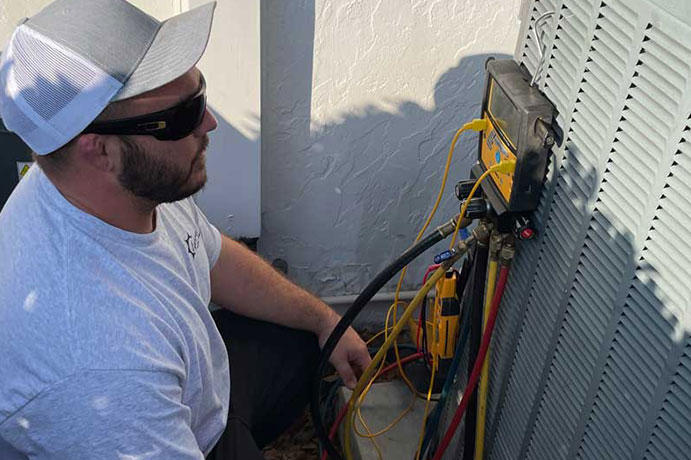
Repairing a system near the water means checking things a technician inland might skip right past. We inspect coil condition, cabinet corrosion, and electrical terminals along with the usual refrigerant charge, blower performance, thermostat operation, and drain system.
Corroded connections and pitted contacts cause a surprising share of Largo no cooling calls, and they look like equipment failures until somebody opens the panel. Catching those early keeps a small electrical repair from turning into a compressor replacement.
We service split systems, heat pumps, and package units across the area, and we carry common parts so most visits end with your home cooling again the same day.

Coastal or not, a struggling system gives itself away. Watch for these.
Rust and corrosion deserve particular attention, since visible damage usually means more of it underneath.
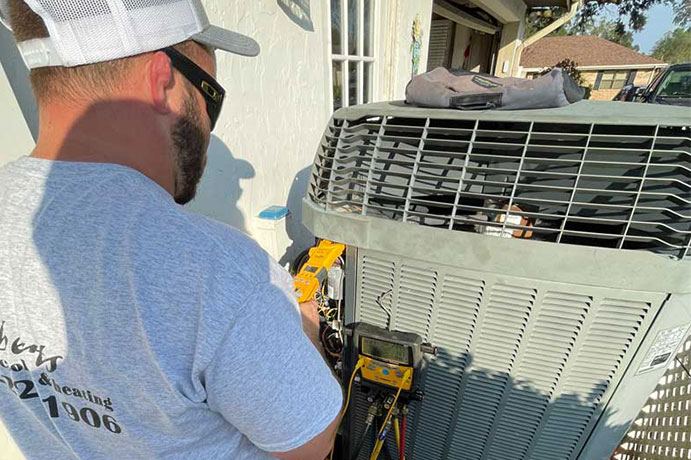

Salt is corrosive, and the sea breeze carries it several miles inland every single day. On an outdoor unit it settles between the fins, holds moisture against the aluminum and copper, and slowly eats away at the coil. A corroded coil transfers heat poorly, and eventually it develops pinhole leaks that let refrigerant escape.
The same process attacks the electrical side. Contactor points corrode, terminals oxidize, and connections that should be tight begin arcing instead. That is why Largo sees a higher rate of electrical component failures than areas farther from the water.
Add Pinellas County humidity and the daily collision of Gulf and bay sea breezes that fires off afternoon storms, and coastal systems face salt, moisture, and surge risk all at once. A regular fresh water rinse of the outdoor coil is the single best defense a homeowner has here.
Carol called from the Ridgecrest area after her system started blowing warm and the outdoor unit began making a buzzing sound she had never heard before. Everything had been normal the previous week.
Our technician opened the electrical panel and found a contactor with corroded, pitted contacts that were arcing instead of closing cleanly. He replaced the contactor, washed the salt buildup off the coil, checked the capacitor, and verified refrigerant pressures afterward.
Cold air was back within the hour. Carol now rinses the outdoor unit with a garden hose every few months, which should buy that coil several more seasons.
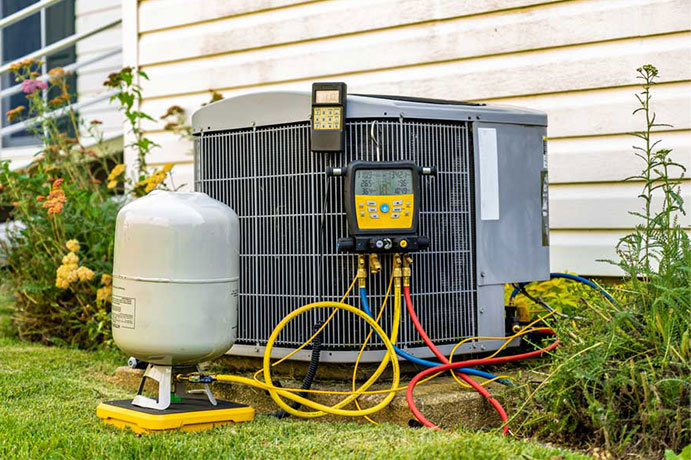
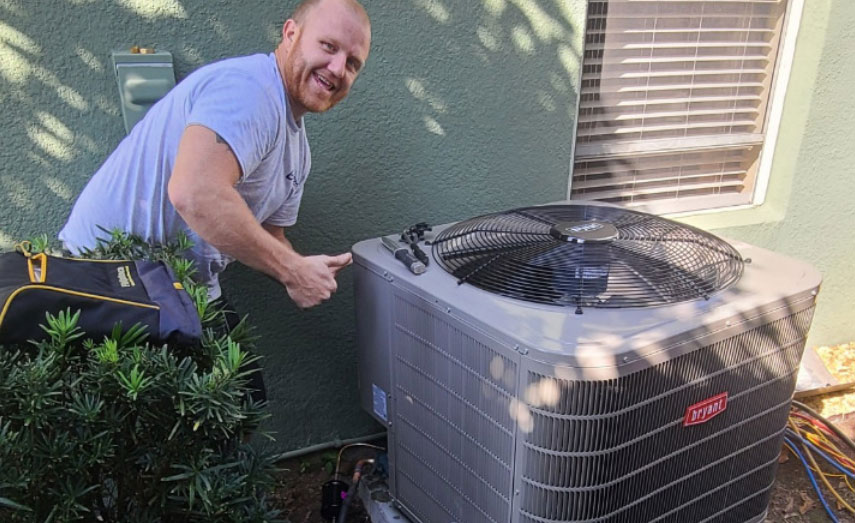
Here is what sets our service apart along the coast.
Knowing why something failed matters as much as fixing it, and you get both from us every time.
Salt in the air corrodes coils and electrical contacts, which shortens equipment life and causes more component failures than inland systems ever see.
Yes. A gentle fresh water rinse every couple of months removes salt buildup. Use a garden hose rather than a pressure washer so the fins stay straight.
Weak cooling, ice on the lines, and much longer run times are the usual signs. Near the coast, corroded coils are a frequent source.
Coatings can slow corrosion on new equipment. For a system already installed, regular rinsing and maintenance do more for you.
Yes. Emergency service is available to Largo homeowners, including nights and weekends.