
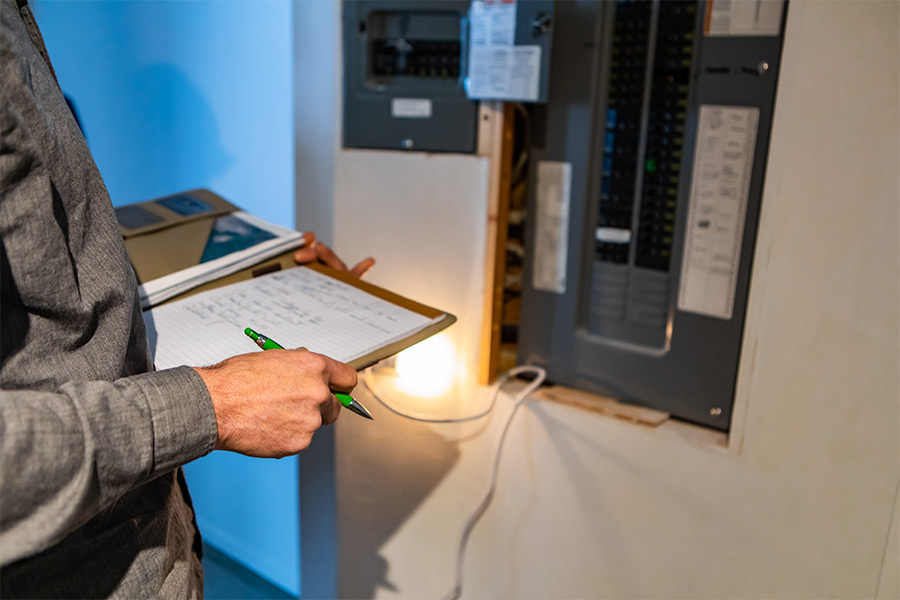
Electrical problems in a home rarely start as obvious emergencies. More often, they show up as small, easy-to-dismiss annoyances. A light that flickers now and then. An outlet that stopped working. A breaker that trips every couple of weeks. On their own, each of these might seem like a minor inconvenience. Together, or over time, they can point to something that genuinely needs professional attention.
Winter Haven homes span a wide range of ages and construction types, from newer developments near Legoland and along US-17 to older properties in established neighborhoods around the Chain of Lakes. Older homes especially tend to carry electrical systems that were built to standards from decades ago and may not be equipped to handle modern electrical demands safely. Knowing what to watch for can help you decide when it is time to call a licensed electrician rather than wait and see.
1. Breakers That Trip Repeatedly
A circuit breaker that trips once in a while is doing its job. One that trips regularly on the same circuit is signaling that something is consistently wrong. It could be a circuit that is genuinely overloaded, a short circuit in the wiring, or a ground fault somewhere along the line.
The instinct to reset and move on is understandable, but repeated tripping without investigation puts ongoing stress on the breaker itself. Over time, a breaker that trips frequently can weaken and fail to trip when it actually needs to, which removes a critical layer of protection. If a specific circuit keeps tripping and you have not added a new load to it, a licensed electrician should take a look.
2. Flickering or Dimming Lights
Occasional flickering when a large appliance starts up is relatively common and usually not a concern. Flickering that happens consistently, affects multiple areas of the home, or has no clear connection to appliance activity is a different matter.
In our service calls throughout Winter Haven, persistent flickering often points to loose wiring connections somewhere in the circuit, a failing breaker, or issues at the main panel. Working in homes across the Chain of Lakes area, we have also found that older aluminum wiring, present in some homes built during the 1960s and 1970s, can develop connection problems over time that show up as flickering or intermittent power. These situations benefit from a proper inspection rather than assumptions.
3. Outlets That Do Not Work or Feel Warm
A dead outlet is easy to write off, especially if everything else on that circuit seems fine. But an outlet that has stopped working has either lost its connection, tripped an upstream GFCI, or failed internally. None of those situations resolve themselves.
Warm outlets are a more immediate concern. An outlet that feels warm to the touch, or that shows any discoloration or scorch marks around the faceplate, has experienced abnormal heat. That is physical evidence of a problem inside the wall. Outlet repair or installation by a licensed electrician is the right response, not covering the faceplate and continuing to use it.
4. Burning Smell Without an Obvious Source
A burning odor that you cannot trace to an appliance, food, or another clear source should be taken seriously. Electrical burning has a distinct smell, often described as similar to burning plastic or rubber, and it means something is overheating somewhere in the system.
Based on what we see in Winter Haven properties, this kind of smell most often originates at an outlet, a junction box, or inside the electrical panel. By the time the smell is noticeable, the problem has typically been developing for some time. Shut off power to the suspected area if you can do so safely and contact a licensed electrician before using that part of the system again.
5. Electrical Panel Warning Signs
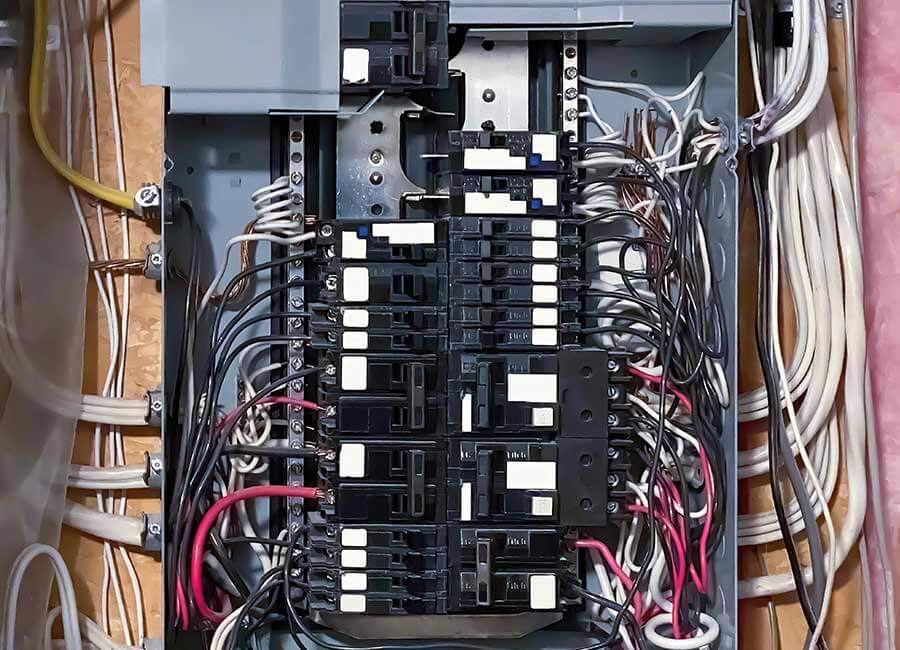
The electrical panel is the central point of your home’s electrical system, and problems there affect everything connected to it. Signs that something is wrong with the panel include breakers that will not stay reset, a panel that feels warm or makes buzzing or crackling sounds, visible corrosion or scorch marks inside the panel door, or breakers that trip immediately after being reset.
Winter Haven has a number of older homes with panels that were installed decades ago and have not been updated since. Some of these panels have known reliability issues or are simply too small to handle the electrical loads of a modern household. An electrical panel repair or replacement assessment can determine whether the panel is still safe and adequate for your home’s needs or whether an upgrade makes more sense.
6. Lights That Dim When Appliances Turn On
A brief, slight flicker when a large appliance kicks on is generally within normal range. What is not normal is lights that dim noticeably and stay dim while a specific appliance is running, or that dim significantly every time something draws power.
This pattern often points to a circuit capacity issue, a problem with the wiring feeding that circuit, or a struggling connection at the panel. In some cases, it indicates that the overall electrical service coming into the home is undersized for current usage. A licensed electrician can assess the system and identify whether the issue is isolated to a specific circuit or reflects something broader.
7. Frequently Blown Fuses or an Outdated Fuse Box
Homes with fuse boxes rather than circuit breaker panels are not automatically unsafe, but they do carry limitations. Fuses that blow repeatedly are sending the same message as a breaker that trips repeatedly. Something on that circuit is drawing more current than it should, or there is a fault in the wiring.
The more pressing concern with older fuse boxes is the temptation to install a fuse with a higher amperage rating than the circuit was designed for. This removes the protection the fuse is supposed to provide. If your home still has a fuse box and you are dealing with repeated failures, an evaluation of whether to upgrade to a modern breaker panel is worth having. It is also an opportunity to assess whether the rest of the wiring in the home is in good condition.
When to Schedule Versus When to Call Immediately
Some of the issues above call for a scheduled appointment. Others warrant more urgent attention. As a general guide:
Situations that should not wait include a burning smell with no clear source, an outlet showing scorch marks or warmth, a breaker that trips immediately and repeatedly, or any sign of sparking anywhere in the system. These carry a real risk of escalation and are worth treating as urgent.
Situations that should be scheduled soon but are not necessarily emergencies include dead outlets, persistent flickering without other symptoms, lights that dim when appliances run, and an aging panel that has not been inspected recently. These are not crises today, but they are patterns that tend to worsen over time rather than resolve on their own.
For homeowners who want added protection while waiting for a scheduled visit, a whole-house surge protector installation is one practical step that guards against voltage spikes that can damage appliances and electronics and add stress to already compromised wiring.
Knowing When to Call a Licensed Electrician in Winter Haven, FL
Electrical issues are worth taking seriously, not because every flicker or tripped breaker is a crisis, but because the ones that do escalate can do so quickly. A problem that seemed minor for months can become a fire risk in a matter of minutes under the right conditions.
The right time to call is when something about your electrical system seems off and you cannot explain it. A licensed electrician can assess what is actually happening, give you an honest picture of what needs attention, and prioritize the work appropriately. Egberts Electric and Air Conditioning serves Winter Haven and the surrounding Polk County area and is available for both scheduled electrical assessments and urgent calls. Contact our team today if any of the signs described above sound familiar.