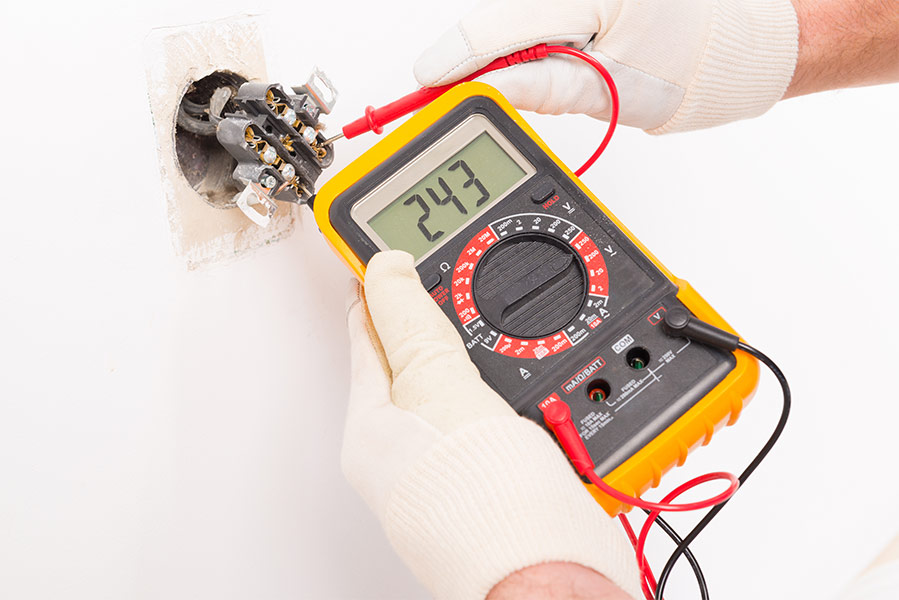
Anyone who has lived in an older Largo home knows how easy it is to overlook the electrical system until something goes wrong. Between homes built decades ago near Belleair Bluffs and newer additions further out toward East Bay Drive, we see a wide range of ages and conditions when it comes to wiring, panels, and outlets.
In our service calls throughout Largo, the same handful of hazards show up again and again, often unnoticed until they cause a real problem. Here are seven worth paying attention to before they turn into something more serious. If any of these sound familiar in your own home, our Largo services team can take a closer look.
1. Common Wiring Issues That Can Cause Fires
Frayed wires are one of the more dangerous hazards we encounter, since they can create sparks capable of igniting nearby materials. Outdated wiring is another concern, especially in homes that weren’t built to handle the power demands of modern life, from multiple TVs to home offices full of chargers and electronics.
Loose connections can lead to arcing, which generates intense heat in a confined space. Improper use of extension cords compounds all of this, often overloading circuits that were never designed for that kind of continuous demand. Regular inspections catch these issues long before they become a genuine fire risk.
2. The Dangers of Overloading Electrical Outlets
It’s easy to underestimate how much power a string of devices actually draws. Cramming too many into a single outlet, or daisy-chaining power strips together, can lead to overheating and, in worse cases, an electrical fire.
Power strips with surge protection help, but they aren’t a free pass to ignore capacity limits. Distributing devices across multiple outlets and checking regularly for discoloration or unusual warmth around outlets goes a long way toward avoiding this hazard altogether.
3. Ignoring Warning Signs of Electrical Problems
Flickering lights or odd buzzing sounds from an outlet are easy to write off as quirks, but they’re often early signals of something more serious. Faulty wiring, a failing circuit, or an overloaded outlet can all present this way.
Based on what we see in Largo properties, these small warning signs are frequently the first indication of a problem that’s been building for a while. Catching them early usually means a simple fix instead of a bigger repair down the line.
4. The Risks of DIY Electrical Repairs
Electrical work looks straightforward until something goes wrong, and the risks of getting it wrong are significant. Working in homes across Largo, we regularly see well-intentioned fixes that ended up masking a bigger issue rather than solving it.
Local codes exist for a reason, and skipping them can lead to fines or safety consequences down the road. DIY repairs can also void warranties on appliances and systems, turning what looked like a cost-saving move into a more expensive problem later.
5. Neglecting Ground Fault Circuit Interrupters (GFCIs)
GFCIs play a critical role in preventing shock, especially in wet areas like kitchens and bathrooms. These devices monitor electrical current and shut off power quickly if they detect an imbalance, which can make a real difference in these higher-risk areas of the home.
Why Regular Testing Matters
GFCIs can wear out over time or fail without any obvious warning. Testing them monthly, using the built-in test and reset buttons, helps confirm they’re still doing their job. If a GFCI doesn’t reset properly, that’s a sign it needs replacing. If you’re not sure whether your home has adequate coverage, our GFCI outlet repair and installation service can help bring older homes up to a safer standard.
6. Outdated Electrical Panels
An aging panel is one of the more overlooked hazards because the signs can be subtle at first.
- Frequent breaker trips, which suggest the panel can’t keep up with current demand
- Rust or corrosion around connections, which can lead to failures over time
- Flickering or dimming lights when appliances kick on, often pointing to degrading wiring
- Burning smells or noticeable heat coming from the panel itself, which signal a real fire risk
Upgrading an outdated panel improves both safety and overall energy efficiency, and it also makes it easier to add circuits for newer appliances without pushing the system past its limits. Our electrical panel repair and replacement service handles exactly this kind of upgrade.
7. Skipping Regular Electrical Inspections
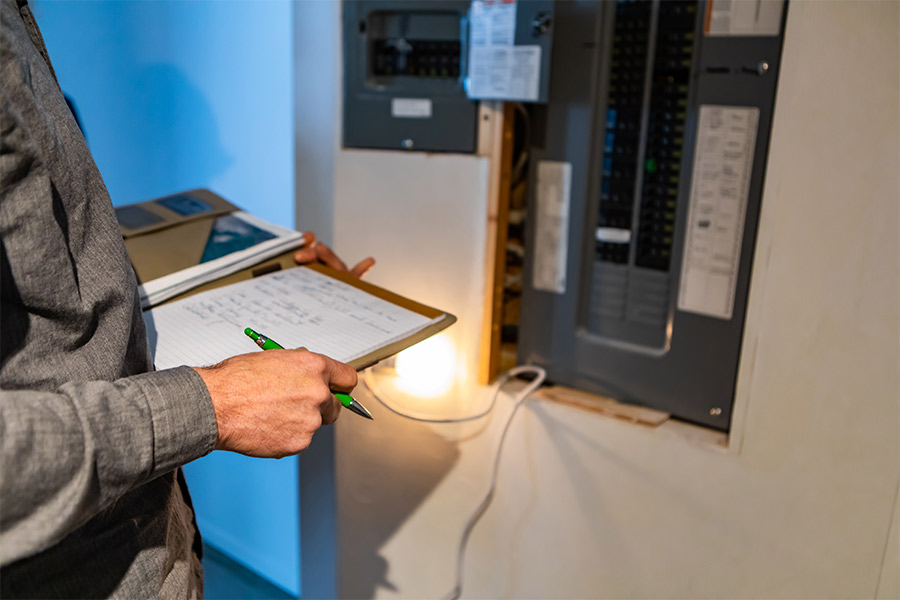
Routine inspections catch problems long before they become emergencies. They help identify hidden issues like faulty wiring, improve energy efficiency, and ensure your home’s electrical system stays compliant with current codes.
Keeping Your Largo Home Safer
None of these hazards are dramatic on their own, but left unaddressed, small issues like a worn GFCI or an aging panel can turn into much bigger problems. Staying alert to warning signs and scheduling regular inspections goes a long way toward keeping your home, and the people in it, safe.
If any of these hazards sound like they might be present in your home, contact our team today and let us take a look before a minor issue becomes a major one.