
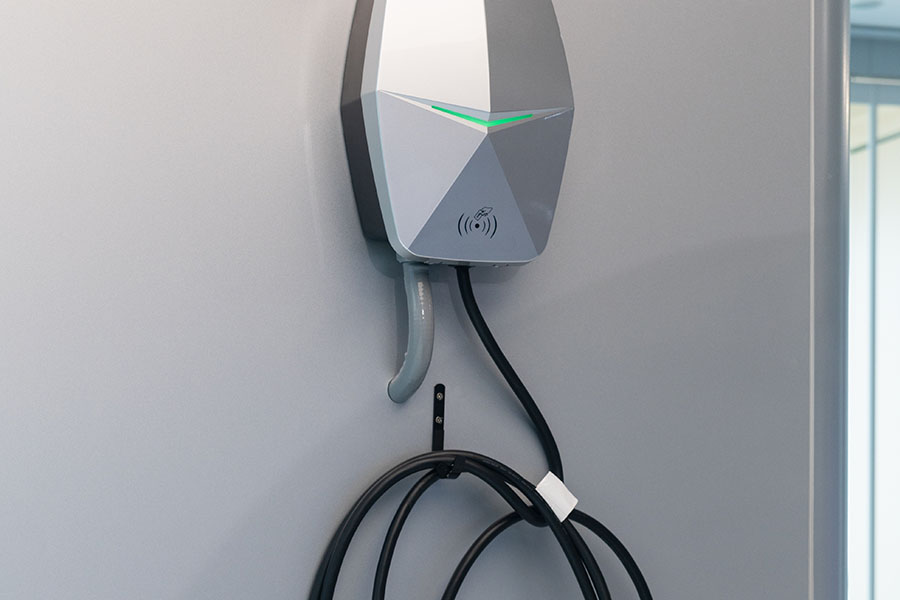
The most important factors to compare before choosing EV charger installation in Lakeland, FL are your home’s electrical panel capacity, Level 1 versus Level 2 charging needs, charger amperage, installation location, smart charging features, and the qualifications of your installer. Getting these right up front prevents costly rework and keeps your installation safe and code compliant.
Owning an electric vehicle in Lakeland, FL, changes how you think about your home’s electrical system. Fueling no longer happens at a gas station. It happens in your garage or driveway, overnight, while the car sits. That shift brings a straightforward question with more variables than most homeowners expect: what is the right charger setup for your home, and who should install it?
What Should You Consider Before Installing an EV Charger in Lakeland, FL?
The options available for home EV charger installation vary considerably in cost, capability, and installation complexity. Making a well-informed decision requires understanding what those differences actually mean in practice, not just on a spec sheet. Here are six factors worth working through before settling on an approach.
1. Level 1 Versus Level 2 Charging
The most fundamental choice in home EV charging is between Level 1 and Level 2 equipment. Level 1 charging uses a standard 120-volt household outlet. It requires no special equipment beyond the cord that comes with most electric vehicles, and it adds roughly three to five miles of range per hour of charging. For drivers with short daily commutes and plenty of overnight charging time, this can be sufficient.
Level 2 charging operates on a 240-volt circuit, the same voltage used by large appliances like dryers and ranges. It adds significantly more range per hour, typically between 20 and 30 miles depending on the vehicle and the charger, and can fully replenish most EV batteries overnight. For most Lakeland homeowners, Level 2 is the practical choice for daily use, particularly as electric vehicles become the primary or only vehicle in a household.
The gap between these two options becomes most apparent during periods when a vehicle needs a full charge quickly. A Level 1 setup that works fine for a short daily commute can fall short when a car arrives home significantly depleted and needs a full charge before an early departure the next morning.
2. Does Your Home Have Enough Electrical Capacity for a Level 2 Charger?
A Level 2 charger requires a dedicated 240-volt circuit, and whether your home can support that addition without further electrical work depends on the current state of your electrical panel. Panels have a total amperage capacity, and that capacity is divided among the circuits serving the home. Adding a 40 or 50-amp circuit for EV charging on a panel that is already running near its limit is not straightforward.
In our service calls throughout Lakeland and Polk County, panel capacity is one of the first things we assess when a homeowner is planning an EV charger installation. Some homes, particularly newer construction near the Riverstone or Bridgewater communities, have panels with enough available capacity to support the addition without any upgrades. Older homes, especially those with 100-amp service that predates the widespread adoption of high-draw appliances, often need an electrical service upgrade before a Level 2 charger can be safely added.
Skipping this assessment and proceeding with installation on a panel that cannot support the added load creates a safety issue. It is not a detail that can be evaluated without looking at the actual panel.
3. Charger Amperage and Charging Speed
Not all Level 2 chargers are identical. They vary in their amperage output, which directly affects how quickly they charge a vehicle. A 32-amp charger adds less range per hour than a 48-amp charger, and some high-end units go higher still.
The right amperage for your home depends on two things: what your vehicle can accept and what your electrical system can support. Most electric vehicles have an onboard charger with a maximum acceptance rate. Installing a 48-amp unit on a vehicle that can only accept 32 amps delivers no additional benefit while requiring a larger circuit. Conversely, installing a lower-amperage charger on a vehicle capable of faster charging leaves capability on the table.
A licensed electrician familiar with EV charging can help you match the charger to both the vehicle and the home’s electrical situation, so you are not paying for capacity you cannot use or limiting a system that could be doing more.
4. Installation Location and Wiring Runs
Where the charger will be installed has a meaningful effect on the complexity and cost of the electrical work involved. A charger installed on a wall adjacent to the electrical panel requires a short wiring run and minimal materials. A charger on the opposite side of a detached garage, or mounted on an exterior wall away from the panel, involves a longer run and potentially more involved routing through walls, attics, or underground conduit.
Working in homes across Lakeland, the range of installation complexity we encounter is wide. A straightforward installation in a newer home with an attached garage and an accessible panel can be completed efficiently. An installation in an older home with a detached garage, a panel in a remote location, and limited conduit pathways requires more planning and labor.
Getting an accurate estimate requires a site assessment rather than a phone quote. The physical layout of your home and garage determines the scope of the wiring work, and that scope can only be evaluated on-site.
5. Smart Charging Features and Connectivity
Modern EV chargers range from basic plug-and-charge units to connected devices with scheduling capability, energy monitoring, app control, and integration with home energy management systems. Whether those features matter to you depends on how you want to manage your charging and what your utility rate structure looks like.
Lakeland is served by Lakeland Electric, and like many utilities, it structures rates in ways that make overnight charging more economical than charging during peak afternoon hours. A charger with scheduling capability allows you to program charging to begin automatically during off-peak hours without any manual intervention each night. Over months and years of use, that kind of optimization can add up to meaningful savings on electricity costs.
Smart chargers also typically offer energy usage tracking, which gives you a clear picture of how much electricity your vehicle is consuming and what it is costing. For households managing overall energy consumption with attention to detail, that visibility is useful.
For homeowners who want simplicity and have no interest in app control or scheduling, a basic Level 2 unit handles the core function reliably without the added features. The right choice depends on your priorities, not on what is most technically impressive.
6. Choosing a Qualified Installer
EV charger installation involves licensed electrical work, and the qualifications of who does that work matter for safety, code compliance, warranty coverage, and the overall quality of the installation. A dedicated 240-volt circuit with proper breaker sizing, correct wire gauge for the amperage involved, appropriate outlet or hardwired connection, and grounding that meets current code requirements is not a DIY project or a job for a general handyman.
In Lakeland, FL, electrical work requires permits in most circumstances, and EV charger installation is no exception. A permitted installation is inspected, which provides a layer of quality assurance and protects you during a home sale or insurance claim. An unpermitted installation creates the opposite situation.
An electrical panel repair or replacement may also be part of the conversation if the existing panel cannot support the added circuit. A qualified electrician can assess both needs together and give you a complete picture of what the installation will involve before any work begins.
Beyond the installation itself, the charger manufacturer’s warranty typically requires installation by a licensed electrician. Having documentation of a properly permitted, professionally completed installation protects that coverage.

Thinking Through the Decision in Lakeland, FL
Home EV charger installation in Lakeland, FL is practical and straightforward when the right groundwork is done. The variables involved, panel capacity, charger selection, installation location, and feature priorities are manageable with the right information and a qualified electrician who can assess your specific situation.
Homes near popular Lakeland thoroughfares like South Florida Avenue or in established neighborhoods around Lake Hollingsworth represent the range of electrical situations that come up in this market. Newer construction with updated panels and older homes with aging electrical infrastructure both exist here, and each requires its own assessment before the right installation path is clear.
Egberts Electric and Air Conditioning provides EV charger installation and electrical services throughout Lakeland and the surrounding Polk County area. Contact our team today to schedule a site assessment and get a clear picture of what your home needs.
Frequently Asked Questions
How much does it cost to install an EV charger at home?
Costs vary based on panel capacity, wiring distance, and charger type, with straightforward installations costing less than those requiring a panel upgrade or a long wiring run. A site assessment is the most reliable way to get an accurate estimate for your specific home.
Do I need a panel upgrade to install a Level 2 EV charger?
It depends on your panel’s existing capacity. Older homes with 100-amp service often need an upgrade to safely support a 40 or 50-amp circuit, while newer homes with more available capacity may not need any changes.
Is Level 1 charging enough for daily EV use?
It can be, depending on your commute and available charging time. Level 1 adds roughly three to five miles of range per hour, which works for shorter daily drives but often falls short when a vehicle needs a full charge quickly.
Can I install an EV charger myself?
No. EV charger installation involves a dedicated 240-volt circuit, proper breaker sizing, and grounding that meets current code, which makes it licensed electrical work rather than a DIY project or general handyman task.
Does EV charger installation require a permit in Lakeland, FL?
Yes. Electrical work, including EV charger installation, requires a permit in most circumstances in Lakeland. A permitted, inspected installation protects you during a home sale or insurance claim and helps preserve the charger’s manufacturer warranty.