
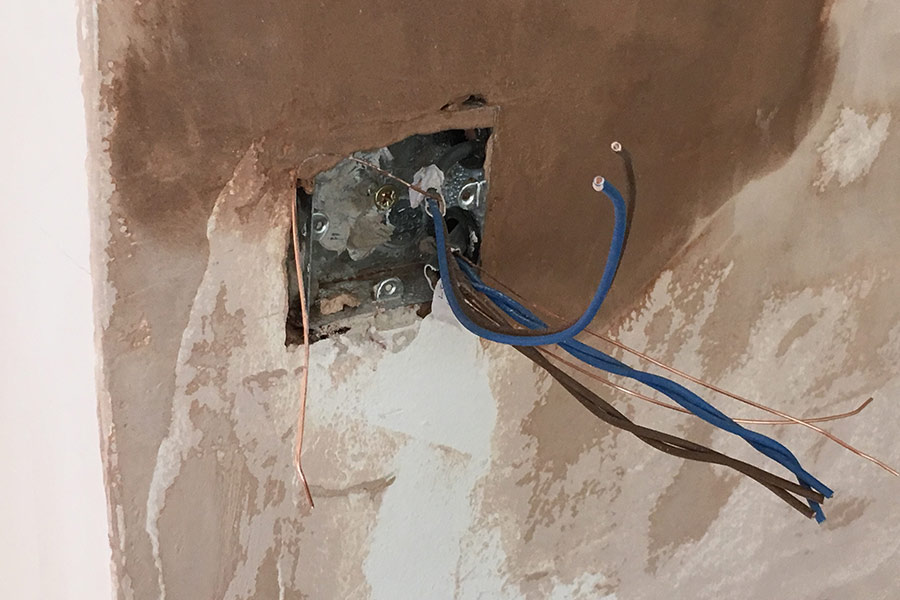
Electrical rewiring is not a topic most homeowners think about until something forces the conversation. Unlike a broken appliance or a leaking pipe, wiring problems are hidden inside walls, attics, and crawl spaces where they can develop for years without producing an obvious symptom. By the time something visible happens, the underlying condition has often been developing for some time.
Balm is a rural community in southern Hillsborough County, and the homes here tend to reflect that character. Many properties in the area are older, have been through multiple owners, or were built during periods when electrical standards were less stringent than they are today. Some have been added onto over the years with varying levels of care and permitting. All of these factors can contribute to a wiring situation that deserves a closer look.
Knowing the warning signs that point toward rewiring gives you a better foundation for that conversation with a licensed electrician and helps you decide when a situation warrants prompt attention rather than a wait-and-see approach.
1. The Home Is More Than 40 Years Old and Has Never Been Rewired
Age alone is not a reason to panic, but it is a reason to pay attention. Wiring materials and installation practices from the 1970s and earlier were built to standards that did not anticipate the electrical demands of modern households. Insulation on older wiring dries out and becomes brittle over decades of heat exposure, particularly in Florida attics where temperatures regularly exceed 130 degrees during summer months.
In Balm, FL, where some properties have remained in the same family for generations, it is not unusual to encounter homes where the original wiring has never been professionally assessed since installation. That wiring may still be functional, but functional is not the same as safe. A licensed electrician can evaluate the actual condition of the wiring and give you an honest picture of whether it is holding up or approaching the end of its useful life.
2. Aluminum Wiring Throughout the Home
During the mid-1960s through the mid-1970s, aluminum wiring was widely used in residential construction as a less expensive alternative to copper. Homes built or wired during that period in Hillsborough County and surrounding areas may still have aluminum branch circuit wiring in place.
Aluminum wiring is not automatically dangerous, but it requires specific attention. Aluminum expands and contracts at a different rate than the devices it connects to, which causes connections to loosen over time. Loose connections create resistance, resistance creates heat, and heat at connection points is one of the leading causes of electrical fires in homes with this type of wiring.
Working in homes across the Balm area and southern Hillsborough County, we treat aluminum wiring as something that needs to be assessed carefully rather than assumed to be fine. Remediation options range from installing approved connectors at every connection point to full rewiring with copper, depending on the extent and condition of the aluminum wiring present.
3. Frequent Tripping on the Same Circuits
A breaker that trips occasionally is functioning as designed. A breaker that trips repeatedly on the same circuit without an obvious change in load is pointing to something that needs investigation. It could be a circuit that is consistently overloaded relative to its rated capacity, a short circuit somewhere in the wiring, or a ground fault that has not yet been located.
Based on what we see in Balm properties, repeated tripping on specific circuits in older homes often turns out to be connected to wiring that has deteriorated to the point where it can no longer handle the load it is being asked to carry. In some cases, the wiring itself is undersized for the circuit it is serving, a condition that was acceptable under older codes but does not meet current standards. If a circuit keeps tripping and reducing the load on it does not solve the problem, a wiring inspection is the appropriate next step.
4. Flickering or Dimming Lights Not Tied to Appliance Activity
Some light flickering is normal when a large appliance starts up and draws a surge of current. What is not normal is flickering that happens without any clear trigger, affects multiple areas of the home, or has been gradually worsening over time.
Persistent unexplained flickering points to loose wiring connections somewhere in the circuit, a failing connection at the panel, or deteriorating wiring that is producing intermittent conductivity. In older homes, this kind of symptom is sometimes traced to wiring that has developed damage at multiple points, particularly in sections that pass through areas of high heat or physical stress like attic runs and wall penetrations.
5. Burning Smell or Discoloration Near Outlets and Switches
A burning smell that cannot be traced to an appliance or other obvious source is one of the clearer signals that something in the electrical system needs immediate attention. Electrical burning has a distinctive smell, and it means something is overheating. Outlets and switches that show any discoloration, scorch marks, or melting around the faceplate are showing physical evidence of heat that has already occurred.
In our service calls throughout the Balm area and broader southern Hillsborough County, these symptoms most often point to failing connections, wiring insulation that has degraded to the point of contact with other materials, or outlets and devices that have been carrying more load than they were designed for over an extended period. These are not situations to monitor and revisit. The affected area should be taken out of service and inspected by a licensed electrician as soon as possible.
6. Outlets That Are Ungrounded or Lack GFCI Protection
Ungrounded two-prong outlets are a reliable indicator of older wiring. The grounding conductor in modern wiring provides a path for fault current that protects both people and equipment. Homes with ungrounded wiring throughout are missing that protection entirely.
Similarly, GFCI protection is now required in kitchens, bathrooms, garages, outdoor areas, and any location near a water source. Older homes often lack this protection in some or all of these areas. While GFCI outlet repair or installation can address the outlets themselves, the absence of grounding throughout the home is a wiring issue that cannot be fully resolved at the outlet level alone. It points back to the branch circuit wiring and often indicates that a broader rewiring assessment is warranted.
7. The Electrical Panel Has Not Been Updated to Match the Home’s Needs
Wiring and panels age together, and a panel that has never been updated in a home with decades-old wiring is worth evaluating as part of the same conversation. Panels that are undersized, showing signs of overheating, or using breaker types that are no longer manufactured can leave a home without adequate overcurrent protection.
In some cases, an electrical panel repair or replacement addresses the panel side of the equation while the wiring is assessed separately. In others, the condition of the panel and the condition of the wiring point in the same direction, toward a more comprehensive update of the electrical system as a whole. A licensed electrician can sort out which situation applies and give you a clear sense of the scope and priority of the work involved.
What a Rewiring Assessment Actually Involves
Determining whether a home needs rewiring is not something that can be done with a quick visual check. A proper assessment involves inspecting accessible wiring in the attic, crawl space, and panel, testing outlets and circuits for grounding and proper function, evaluating the panel’s condition and capacity, and reviewing the history of the home’s electrical work where documentation is available.
The goal of that assessment is not to sell a rewiring project. It is to give the homeowner an accurate picture of what they have and what level of risk or limitation that represents. Some homes with older wiring are in better condition than expected. Others reveal problems that go beyond what targeted repairs can reasonably address.
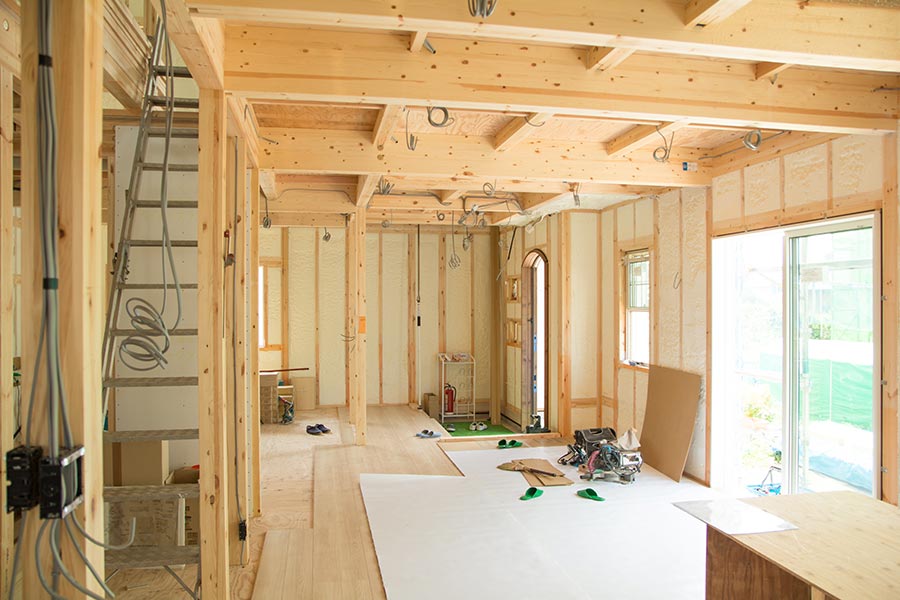
Taking the Right Step for Your Home in Balm, FL
Rewiring is a significant undertaking, and it is not always the conclusion a proper assessment reaches. But for homes that show multiple warning signs, particularly older properties in rural Hillsborough County that have not had professional electrical attention in many years, getting that assessment done is a reasonable and practical step.
Egberts Electric and Air Conditioning serves Balm and the surrounding southern Hillsborough County area. Contact our team today to schedule an electrical inspection and get an honest evaluation of your home’s wiring.