
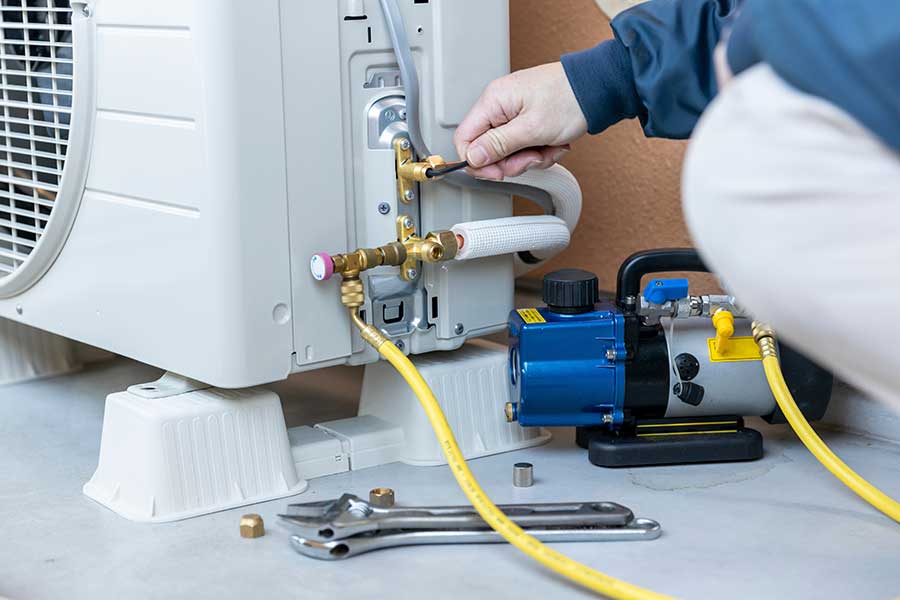
Like a slow leak in a tire, refrigerant leaks in HVAC systems can go unnoticed until they cause significant problems. In Winter Haven, FL, these leaks often arise from various factors, including corrosion, aging components, and poor installation practices. Understanding the main causes can help you maintain efficiency and avoid costly repairs. So, what exactly should you be looking out for to keep your HVAC system running smoothly?
Common Causes of Refrigerant Leaks
While refrigerant leaks can occur for various reasons, some common culprits often lead to these issues in HVAC systems.
One major cause is corrosion on the refrigerant lines, which can happen over time due to moisture and chemicals in the air.
You might also encounter leaks from loose fittings that develop during regular wear and tear or improper installation.
Another frequent issue arises from physical damage, like dents or punctures, often caused by accidental impacts or even maintenance activities.
Poorly soldered joints can also contribute to leaks, as they may weaken and fail under pressure.
Finally, manufacturing defects, though less common, can create vulnerabilities in the system. Regular maintenance can help prevent major refrigerant leaks and ensure your HVAC system functions properly.
Age and Wear of HVAC Components
As your HVAC system ages, wear and tear on its components can lead to a host of issues, including refrigerant leaks.
Over time, parts can degrade, impacting the system’s efficiency and performance. Here are four key areas to watch:
- Deteriorating Seals: Older seals may crack or break, allowing refrigerant to escape.
- Worn-Out Fittings: Connections can loosen, making it easier for leaks to develop.
- Corroded Lines: Refrigerant lines can corrode, especially if they’re exposed to moisture.
- Faulty Compressors: An aging compressor may not function properly, leading to pressure imbalances and potential leaks.
Regular maintenance and prompt attention to any signs of wear can help you avoid these issues. Additionally, addressing refrigerant leaks promptly with a professional can prevent further damage to your HVAC system.
Corrosion and Environmental Factors
Corrosion greatly impacts HVAC systems, particularly when combined with environmental factors. When moisture, salt, and other pollutants infiltrate your system, they can accelerate the corrosion process on metal components, leading to leaks.
In humid climates like Winter Haven, FL, increased moisture levels can exacerbate this issue, making it essential for you to monitor your system regularly.
Additionally, exposure to harsh chemicals or pollutants in the air can further weaken components, increasing the chances of refrigerant leaks. Even small vulnerabilities can grow over time, especially if they’re not addressed promptly.
To combat these challenges, make sure your HVAC system is maintained regularly. This includes thorough inspections to catch corrosion early, preventing costly repairs down the line. Regular duct cleaning services can also improve indoor air quality and reduce contaminants that contribute to corrosion.
Poor Installation Practices
When HVAC systems are poorly installed, it can lead to a host of problems, including refrigerant leaks. The quality of installation is essential for the system’s performance and longevity.
If you’re not careful, these mistakes can cause unnecessary issues down the line. Here are four common poor installation practices to watch out for:
- Incorrect Sizing: An improperly sized unit can strain the system, leading to leaks.
- Improperly Sealed Connections: Loose or unsealed joints can create gaps where refrigerant escapes.
- Neglecting Manufacturer Specifications: Ignoring guidelines can result in improper setup and functionality.
- Inadequate Insulation: Poorly insulated refrigerant lines can lead to temperature fluctuations and leaks.
Physical Damage to Refrigerant Lines
Poor installation practices can set the stage for various issues, including physical damage to refrigerant lines. When refrigerant lines aren’t properly secured or protected, they can become vulnerable to wear and tear.
You might notice signs like unusual noises or reduced cooling efficiency, indicating a potential leak. Even minor impacts from routine maintenance or external factors can lead to cracks or breaks in the lines.
Additionally, improper routing can cause lines to bend or twist, increasing the risk of damage. If you’re experiencing any symptoms of refrigerant leaks, it’s essential to have a professional inspect your HVAC system.
Egberts Electric and Air Conditioning offers thorough assessments that can identify these issues early on. Our certified technicians will guarantee your refrigerant lines are correctly installed and maintained, helping you avoid costly repairs down the road.
Don’t wait—addressing potential problems now can save you time and money later.

Conclusion
In Winter Haven, FL, staying proactive about your HVAC system can save you from costly refrigerant leaks. Did you know that nearly 40% of HVAC systems experience refrigerant loss due to corrosion and wear over time? Regular inspections and maintenance can help you catch these issues early, keeping your system running efficiently and your home comfortable. So, don’t wait until it’s too late—schedule that maintenance check today to protect your investment!