

Lakeland summers can push any cooling system to its limits, and even small AC mistakes can quickly turn into big comfort issues. Many homeowners unintentionally shorten their system’s lifespan by overlooking simple tasks or ignoring early warning signs. Understanding these mistakes—and knowing how to avoid them—can keep your home cool, your energy bills manageable, and your AC working efficiently through Florida’s hottest months.
Below are the most common AC maintenance mistakes to watch out for.
Neglecting Regular Filter Changes
Forgetting to replace air filters is one of the most common mistakes homeowners make, and it puts unnecessary strain on the entire cooling system. Clogged filters slow airflow, force the equipment to work harder, and can trigger avoidable breakdowns.
While checking filters is one small step homeowners can take, it does not replace professional AC maintenance. A full maintenance visit includes cleaning coils, checking refrigerant levels, inspecting electrical components, testing airflow, and identifying early issues you cannot see just from the filter.
Staying consistent with your filter changes and scheduling professional AC maintenance is the only way to keep your system efficient, avoid unexpected repairs, and maintain reliable cooling throughout Lakeland’s hottest months.
Ignoring Refrigerant Levels
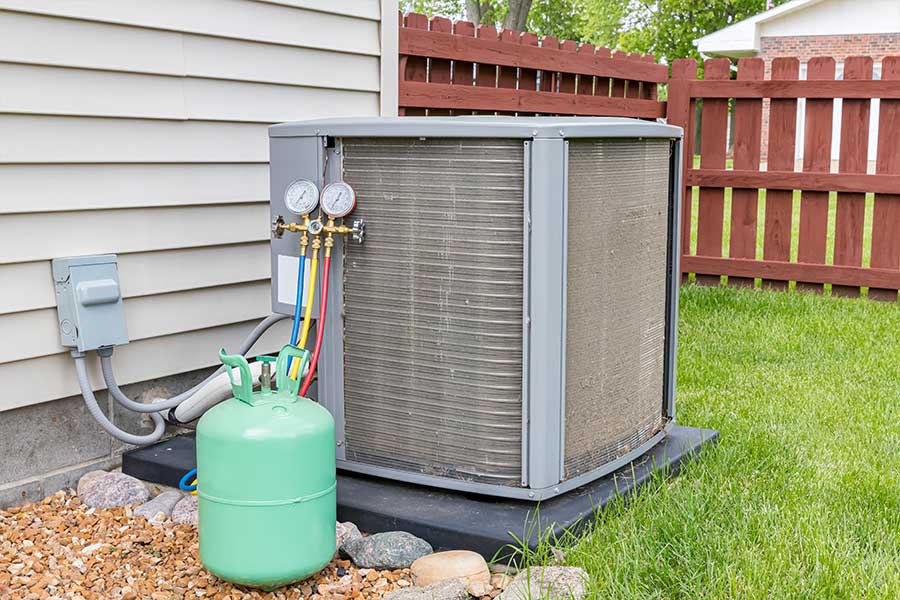
Low refrigerant is more than a cooling inconvenience—it’s a sign of a deeper issue. When levels drop, the system can no longer absorb heat properly, causing warm air, longer cycles, and rising humidity. Low levels typically point to a leak, which requires professional refrigerant leak repair.
If ignored, refrigerant problems can stress the compressor, eventually requiring costly AC compressor replacement. Warm air from vents, reduced cooling, and ice on the refrigerant lines are all signs worth investigating promptly.
Overlooking Outdoor Unit Maintenance
Your outdoor unit plays a critical role in heat exchange, but it’s often the most neglected. Dirt, leaves, and plant growth around the unit can block airflow and reduce cooling capacity.
A few key tasks help prevent damage:
- Clear vegetation and debris around the unit
- Keep at least two feet of open space
- Schedule routine AC coil cleaning when buildup is visible
Proper outdoor care reduces strain on the system and helps avoid avoidable AC service issues.
Skipping Electrical Connection Checks
Electrical connections inside the outdoor unit can loosen over time due to vibration and weather exposure. Frayed wires, loose terminals, or corrosion can cause intermittent performance problems or create safety hazards.
Because electrical issues can escalate quickly, addressing them early may prevent the need for emergency AC services or larger system failures. If anything looks worn or damaged, turn the system off and schedule an AC repair inspection.
Failing to Schedule Professional Tune-Ups
Many AC issues start small, and regular tune-ups are the best way to catch them before they grow. A full inspection helps identify airflow problems, refrigerant leaks, dirty coils, or early component wear.
Routine professional service is particularly important for older systems, where a tune-up may reveal whether the system is still viable or if an eventual AC installation might be more cost-effective. A seasonal check helps keep cooling consistent and energy use under control.
Setting the Thermostat Incorrectly
Incorrect thermostat settings can cause discomfort, high energy bills, and unnecessary wear on the system. Setting temperatures drastically low won’t cool your home faster—it only makes the system run longer.
If temperatures feel inconsistent, or if the thermostat doesn’t respond properly, it may need recalibration or professional thermostat repair & installation. Smart thermostats can also help regulate indoor temperatures more efficiently.
Skipping Ductwork Inspections
Ductwork problems are often invisible but highly impactful. Leaks, blockages, and disconnected sections can reduce airflow, increase humidity, and drive up energy bills.
A lack of duct inspections often leads to preventable AC repair needs, as the system struggles to cool adequately. Checking ductwork regularly ensures your cooled air actually reaches the rooms that need it.
Disregarding Unusual Noises or Odors
Unusual sounds like buzzing, grinding, banging, or hissing indicate mechanical or electrical issues, while musty or burning smells may point to mold, debris, or electrical faults. Turning the system off at the first sign of trouble helps prevent internal damage.
A timely inspection from our team at Egberts can identify the cause and protect the system from further harm, ensuring your AC continues operating safely and efficiently.
Conclusion
Maintaining your AC system isn’t complicated, but overlooking key tasks can lead to discomfort, higher energy bills, and unexpected repairs. By replacing filters on time, monitoring refrigerant levels, caring for the outdoor unit, scheduling tune-ups, and paying attention to unusual signs, you can help your system run reliably throughout Lakeland’s hottest months. Staying proactive keeps your home cooler, reduces long-term repair costs, and ensures your AC is always ready when you need it most.