
Emergency HVAC services are needed when a heating or cooling problem threatens your safety, health, or property. A complete system failure, no heat during a cold snap, no cooling in extreme heat, burning smells, gas odors, electrical problems, refrigerant leaks, frozen coils, loud mechanical noises, and a failed thermostat all call for fast professional help.
In Central Florida, a cooling failure in July or a heating failure during a rare winter freeze is more than an inconvenience, especially for young children, older adults, and pets. Knowing which problems need emergency AC services in Tampa, Lakeland, and the surrounding area, and which can wait for a regular appointment, saves time, money, and stress. In our service calls across Lakeland and Tampa, the situations below are the ones where a fast response makes the biggest difference.
Key Takeaways
- A burning smell, a gas odor, or repeated breaker trips are safety emergencies that need an immediate response.
- If you smell gas, Florida emergency officials advise moving to safety and calling 911 and your gas company from a safe distance.
- A complete loss of cooling during extreme Florida heat is an emergency for homes with young children, older adults, or pets.
- Banging, grinding, or screeching noises often mean a mechanical failure that will cause more damage if the system keeps running.
- Professional maintenance twice a year catches many problems before they turn into emergency calls.
1. Complete System Failure
A complete system failure means your heating and cooling system will not run at all, and it calls for emergency service right away. A total shutdown can cause discomfort, safety issues, and property damage, especially when it happens during extreme heat or humidity.
An emergency technician starts with system diagnostics to find the root cause. This step is pivotal because it pinpoints exactly what is wrong, whether that is an electrical problem, a failed component, or a blockage. Once the specific problem is clear, the technician can develop a targeted repair instead of guessing.
A complete failure is also where response time matters most. Emergency service prioritizes total shutdowns because the home has no climate control at all. Before the technician arrives, a quick check that the thermostat has power and is set correctly, and that the system’s breaker has not tripped, can help the technician narrow down the cause faster.
2. No Heat During a Cold Snap
No heat during a cold snap is an emergency that needs fast service, especially in homes with vulnerable family members. Central Florida winters are mild, but occasional freezes do happen, and many homes are not built to hold heat for long when the system stops working.
Several problems commonly cause a heating system to stop producing warm air:
- Blocked vents and returns: Furniture, rugs, or debris over vents prevent warm air from circulating, so check that every vent and return is clear.
- Fuel supply: Homes that heat with propane can lose heat entirely when the tank runs low, so check fuel levels before cold weather arrives.
- Component failure: A failed igniter, blower motor, heat pump defrost control, or heating element can stop heat production completely.
Regular servicing helps catch these problems before winter. If your system still is not heating after you have confirmed vents are clear and fuel is available, professional furnace repair or heat pump service restores warmth and safety to your home.
3. No Cooling During Extreme Heat
A complete loss of cooling during extreme Florida heat is an emergency, not an inconvenience. Indoor temperatures can climb quickly once the system stops, and the combination of heat and humidity puts real stress on young children, older adults, people with health conditions, and pets.
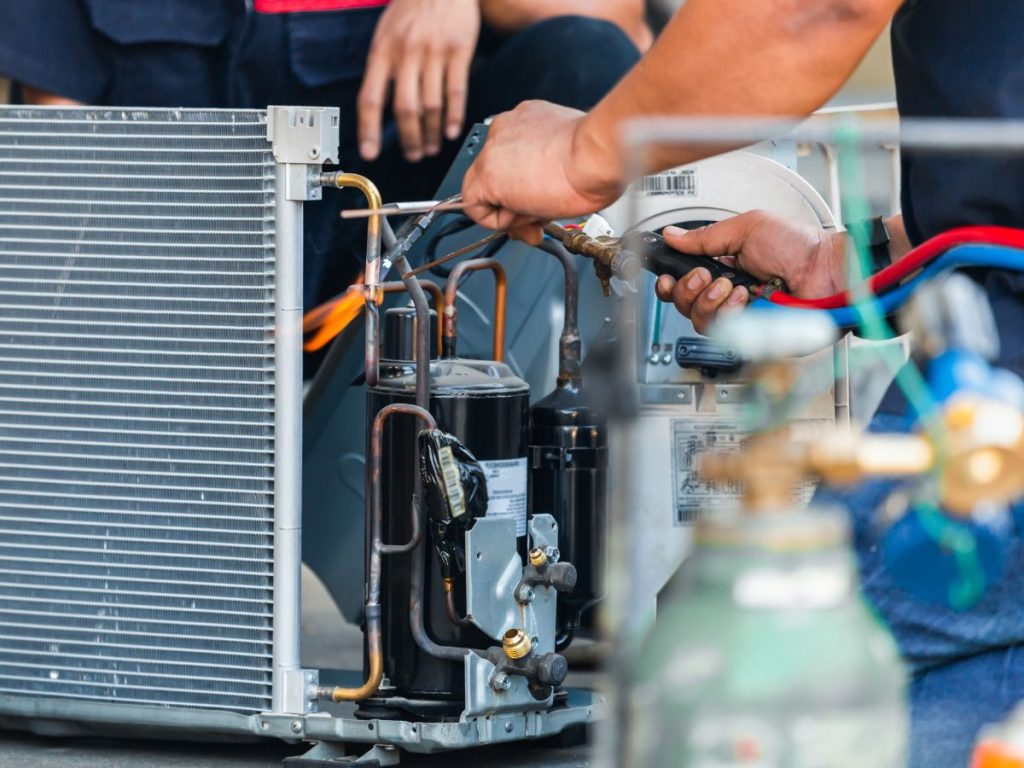
A refrigerant leak, a failed thermostat, an electrical problem, or a compressor failure can all stop cooling. Of these, compressor failure is one of the most serious because the compressor drives the entire cooling process.
Compressor Failure
Compressor failure is a common cause of a total loss of cooling. The compressor is the heart of your air conditioning system, responsible for circulating the refrigerant that removes heat from your home. When it fails, the system cannot perform its primary job.
One common reason for compressor failure is burnout, where the compressor’s internal components overheat and break down. Electrical problems and an insufficient refrigerant charge are frequent contributors. Another possible cause is a motor malfunction. The compressor motor can wear out over time, reducing efficiency or failing completely, and when it does, the compressor cannot pump refrigerant at all.
Ignoring compressor problems leads to more extensive damage and costlier repairs. An HVAC technician can diagnose the issue and recommend a repair or replacement, and regular maintenance helps prevent compressor failure by keeping every connected component in good working order.
4. Strange Noises
Strange noises from your HVAC system often mean something is seriously wrong and needs immediate attention. Unusual sounds can point to loose components, worn bearings, or failing motors.
These are the sounds that usually signal a developing mechanical problem:
- Banging, clanking, or rattling: Parts inside the system have come loose and can damage other components if the system keeps running.
- Squealing or grinding: Motor bearings are worn, which can cause the motor to overheat or fail.
- Loud humming with no airflow: A motor is trying to start but cannot, often because of an electrical fault.
Ignoring these noises can lead to complete system failure or safety hazards. If your HVAC system makes an unexpected sound, turn it off at the thermostat and call for service. A qualified technician can diagnose the issue and make the necessary repairs so the system runs safely and efficiently.
5. Burning Smell
A burning smell from your HVAC system can signal an electrical problem or overheating component and should be treated as a potential fire hazard. Turn the system off at the thermostat and call for emergency service.
One exception is worth knowing. The first time a heating system runs after months of sitting idle, dust that settled on the heating components can burn off and create a faint, brief odor. A smell that fades within a short time after startup is usually normal. A smell that persists, grows stronger, or smells like melting plastic or hot wiring is not.
Identifying Electrical Issues
A persistent burning smell is often a clear sign of electrical issues that need immediate attention. Frayed wires and loose connections create electrical resistance, which generates heat and produces that burning odor.
A circuit overload is another common cause. When the system draws more power than the circuit can handle, the wires can overheat and create a fire hazard. If the HVAC breaker trips more than once, leave it off and call a professional, since repeated trips indicate the system is drawing more power than it should. Electrical problems in an HVAC system are dangerous to diagnose without training and proper tools, so leave wiring inspection and repairs to a qualified technician.
Preventing Fire Hazards
Preventing HVAC fire hazards starts with responding promptly to any burning smell. Blocked vents restrict airflow and cause the system to overheat, and dust or lint that builds up inside the equipment can ignite when it contacts hot components.
Regular maintenance, including filter changes and professional cleaning of internal parts, reduces this risk. Keep the area around your indoor and outdoor units clear of stored items, boxes, and anything flammable.
Addressing Component Overheating
A burning smell often signals component overheating, which needs immediate attention to prevent further damage. A blocked or failing blower fan cannot move air properly, and the system overheats as a result. Faulty or damaged wiring can also cause electrical shorts that generate heat and damage nearby components.
These problems require a professional technician because they involve moving parts and live electrical components. Addressing overheating promptly can prevent a system failure or fire and save you from costly repairs.
6. Refrigerant Leaks
A refrigerant leak reduces your system’s ability to cool, raises energy bills, and can lead to compressor failure if it is not repaired. Refrigerant should only be handled by certified technicians, and a leaking system should be serviced promptly.
Watch for these common signs of a refrigerant leak:
- The air conditioner blows warm or lukewarm air.
- You hear hissing or bubbling sounds near the indoor or outdoor unit.
- Ice forms on the evaporator coil or refrigerant lines.
- Your electricity bill rises without a change in usage.
Refrigerant rules have changed significantly. R-22, the refrigerant in many older systems, is no longer produced or imported in the United States, so repairs on those systems rely on limited recovered supplies. EPA rules have also generally required new residential systems installed since January 1, 2025, to use refrigerants with a lower global warming potential than R-410A, unless all components were made or imported before that date. An existing R-410A system can still be serviced and repaired.
To address a leak, a technician uses specialized tools to locate it, completes the refrigerant leak repair, and recharges the system with the correct amount of the right refrigerant. Acting quickly restores efficiency and protects the compressor from damage.
7. Electrical Issues
Electrical issues in your HVAC system can cause sudden breakdowns and serious safety risks. A circuit overload occurs when the system’s electrical demand exceeds what the circuit can handle, which can shut the system down unexpectedly and leave you without heating or cooling.
Wiring faults are another critical concern. Over time, wires can become frayed or damaged, leading to short circuits or electrical fires. Call for emergency HVAC service immediately if you notice flickering lights when the system starts, a burning smell, or a breaker that trips repeatedly.
A licensed professional can confirm that your HVAC system is on a properly sized, dedicated circuit and that its electrical capacity matches the equipment’s requirements. Routine maintenance catches many minor electrical issues before they become emergencies, but when problems appear suddenly, a fast professional response protects both the system and your home.
8. Frozen Evaporator Coils
Ice on the evaporator coil means something is restricting airflow or the refrigerant charge is wrong, and the system needs attention right away. Switch the system off at the thermostat to let the ice melt, and call for service before running it again.
Causes of Coil Freezing
Restricted airflow is the most common cause of a frozen evaporator coil. When a dirty air filter or blocked vents limit the air moving across the coil, the coil cannot absorb enough heat, its temperature drops below freezing, and moisture on its surface turns to ice. Left alone, the ice keeps building and can lead to a complete breakdown.
Low refrigerant is another frequent cause. With too little refrigerant, the coil cannot absorb enough heat, and moisture freezes on its surface. A failing blower motor or a malfunctioning thermostat can also contribute by disrupting airflow or temperature control.
Understanding these causes helps you recognize a problem early and call for service before a small issue becomes a costly repair.
Preventive Maintenance Tips
Preventive maintenance keeps evaporator coils from freezing and helps your system run efficiently. These habits make the biggest difference:
- Replace your air filter every one to three months to keep air moving freely across the coil.
- Keep vents and return grilles clear of furniture and other obstructions.
- Schedule professional tune-ups twice a year so a technician can clean the coils and confirm the refrigerant charge is correct.
9. Thermostat Malfunctions
A thermostat malfunction can leave your heating or cooling system unable to regulate the temperature, and it can look like a much bigger failure. When a thermostat stops working correctly, the system may not turn on, may run constantly, or may shut off at the wrong times.
Incorrect sensor calibration is one common cause. A thermostat that misreads the room temperature sends the wrong signals to the system, causing it to run too long or not long enough, which affects comfort and raises energy bills. Faulty or loose wiring between the thermostat and the HVAC equipment is another cause, and it can prevent the two from communicating at all.
If your thermostat display is blank, replacing its batteries is a safe first check. Beyond that, calibration and wiring problems call for professional thermostat repair, since a technician can test the sensor, inspect the wiring, and confirm whether the thermostat or the HVAC system itself is at fault.
10. Gas Leaks
A suspected gas leak is a life-safety emergency that requires you to leave the home immediately. Gas leaks can lead to fires, explosions, or carbon monoxide exposure, and they escalate quickly.
The Florida Division of Emergency Management advises anyone who smells gas to move to safety immediately, call 911, and then call the gas company’s emergency line. It also warns against using anything that could create a spark, including cell phones, light switches, matches, and cigarettes, near the leak. Make those calls only after you are outside and away from the home.
Once the gas company has made the area safe, regular HVAC maintenance helps prevent future problems. A technician can check gas connections at the furnace or other gas appliances for wear and confirm that your carbon monoxide detectors are working.
Which HVAC Problems Can Wait for a Regular Appointment?
Many HVAC problems are urgent enough to fix soon but safe enough to wait for the next available regular appointment. The deciding question is whether the problem creates a safety risk or leaves the home without heating or cooling in extreme weather.
These problems can usually wait a day or two for a scheduled visit, as long as the system still runs safely:
- A system that still cools or heats but takes longer than usual to reach the set temperature
- A gradual rise in energy bills with no other symptoms
- One room that runs a little warmer or cooler than the rest of the home
- A thermostat schedule that needs adjusting or a smart thermostat that lost its connection
- Mild humidity or comfort complaints on otherwise normal days
Any of these can turn urgent if new symptoms appear. A burning smell, a new loud noise, ice on the refrigerant lines, water leaking from the indoor unit, or a complete loss of cooling during extreme heat moves the problem into emergency territory. When in doubt, call and describe the symptoms, and a technician can help you decide whether the visit should happen today.
Frequently Asked Questions About Emergency HVAC Services
How Often Should HVAC Systems Be Serviced to Prevent Emergencies?
HVAC systems should be serviced twice a year, typically once before the cooling season and once before the heating season. Seasonal checks and regular filter changes catch developing problems early and reduce the risk of an unexpected breakdown.
What Are the Signs of an Aging HVAC System?
Common signs of an aging HVAC system include rising energy bills, unusual noises, frequent repairs, and trouble holding the set temperature. When several of these appear together, it is usually time to compare the cost of continued repairs against a replacement.
What Should I Do While Waiting for an Emergency HVAC Technician?
Turn the system off at the thermostat if you notice a burning smell, loud noises, or ice on the coil, and keep the breaker off if it has tripped more than once. During a cooling outage, close blinds, use fans, drink water, and move vulnerable family members and pets to the coolest room. If you smell gas, leave the home first.
How Can I Improve the Energy Efficiency of My HVAC System?
Installing a programmable or smart thermostat, sealing air leaks, and improving attic insulation all help an HVAC system run less and use less energy. Regular maintenance and filter changes keep the system operating close to its rated efficiency.
What Should I Consider When Choosing a New HVAC System?
Consider proper sizing based on a load calculation, efficiency ratings, the refrigerant the system uses, and the installation cost. A correctly sized, efficient system that fits your home and budget delivers reliable comfort without unexpected expenses.
When to Call for Emergency HVAC Services
Call for emergency HVAC services whenever a problem threatens safety or leaves your home without heating or cooling in extreme weather. Burning smells, gas odors, repeated breaker trips, and total system failures should never wait for a routine appointment.
Egberts Electrical Plumbing Air Conditioning is open 24/7 for homeowners in Lakeland, Tampa, and the surrounding Central Florida communities, with certified technicians who handle heating, cooling, and electrical emergencies. When your system fails, contact our team for emergency HVAC service and we will help restore your comfort and safety.